


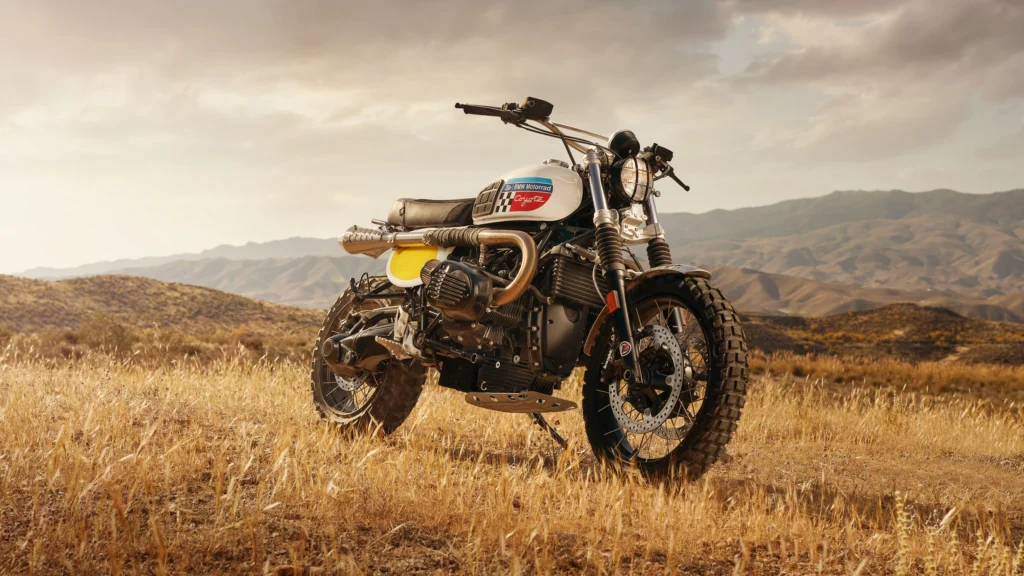
When it comes to two-wheeled transportation, motorcycles powered by fuel—typically gasoline—remain the most popular and widely used across the globe. While electric bikes are gaining attention, fuel motorcycles continue to dominate the market due to their accessibility, affordability, and performance.
Whether you’re a new rider, a daily commuter, or someone just curious about how fuel motorcycles work and what sets them apart, this article will give you a comprehensive breakdown of everything you need to know.
What Are Fuel Motorcycles?
Fuel motorcycles are motorcycles powered by internal combustion engines (ICE) that run on liquid fuels—most commonly gasoline (petrol). These engines burn fuel to create the energy needed to power the motorcycle’s wheels.
Unlike electric motorcycles, which are powered by rechargeable batteries, fuel motorcycles rely on a fuel tank, carburetor or fuel injector, and an engine designed to combust fuel and air.
There are a few types of fuels that can be used in motorcycles, depending on the design and engine type:
- Gasoline (Unleaded Petrol) – The standard fuel for most motorcycles.
- Ethanol-Blended Gasoline (E10 or E15) – Increasingly common in many countries.
- Diesel – Rare, but some specially-designed motorcycles use diesel fuel.
How Fuel Motorcycles Work
Fuel motorcycles function through a series of mechanical and chemical processes. Here’s a simplified explanation:
- Fuel is stored in a tank, typically located above the engine.
- When the throttle is twisted, fuel travels from the tank through a fuel line.
- Depending on the bike, the fuel is mixed with air either by a carburetor or a fuel injection system.
- This mixture enters the combustion chamber where a spark plug ignites it.
- The explosion pushes the piston down, turning the crankshaft, and powering the wheels.
This combustion process happens many times per second, which gives fuel motorcycles their characteristic sound, speed, and performance.
Types of Fuel Systems in Motorcycles
There are two main types of fuel systems in motorcycles:
1. Carbureted Fuel Systems
Older motorcycles use carburetors to mix air and fuel. While simpler and easier to repair, they’re less efficient and sensitive to changes in altitude and temperature.
2. Fuel Injection Systems
Modern motorcycles are usually equipped with fuel injection (FI). These systems are more precise, adjust automatically to environmental changes, and improve fuel economy and performance.
Fuel Efficiency: How Far Can You Go?
Fuel efficiency is one of the main considerations for any rider. Most motorcycles are incredibly efficient compared to cars. Here’s a rough breakdown:
- Small bikes (125cc–250cc): 70–100 MPG (miles per gallon)
- Mid-range bikes (300cc–600cc): 45–70 MPG
- Large bikes (650cc+): 30–50 MPG, depending on riding habits
Factors like weight, engine size, riding speed, terrain, and maintenance can significantly affect fuel efficiency. For example, aggressive acceleration and riding at high RPMs consume more fuel.
Choosing the Right Fuel
Choosing the correct fuel type is crucial for your motorcycle’s performance and longevity. Most motorcycles are built to run on unleaded gasoline with an octane rating of 87 to 91, depending on the engine’s design.
What’s Octane?
Octane is a measure of a fuel’s ability to resist engine knocking. Higher performance engines usually require higher octane fuel. Using a lower octane than recommended can cause knocking, poor performance, or engine damage.
Tip: Always check your owner’s manual for the recommended fuel type.
Common Fuel-Related Issues
Poor fuel quality or neglected maintenance can lead to several issues:
- Clogged carburetors or injectors
- Corroded fuel lines or tanks
- Dirty or blocked fuel filters
- Engine misfires or knocking
- Fuel leaks
To avoid these problems:
- Use clean, high-quality fuel.
- Don’t let your bike sit with old fuel in the tank.
- Add a fuel stabilizer if storing your bike for extended periods.
- Regularly clean or replace fuel filters and check fuel lines.
Fuel Motorcycles vs. Electric Motorcycles
With electric motorcycles gaining popularity, it’s worth comparing the two:
| Feature | Fuel Motorcycles | Electric Motorcycles |
| Power Source | Gasoline | Battery (Electricity) |
| Refueling Time | 2–5 minutes | 1–8 hours (charging time) |
| Range | 100–300 miles per tank | 50–150 miles per charge |
| Sound | Engine roar | Near silent |
| Maintenance | Moderate to high | Lower (fewer moving parts) |
| Cost to Operate | Higher (fuel + maintenance) | Lower (electricity + minimal service) |
For now, fuel motorcycles remain the best option for long-distance touring, high performance, and ease of refueling.
Environmental Impact
It’s no secret that fuel motorcycles produce more emissions than electric ones. However, they’re still significantly more fuel-efficient and environmentally friendly than most cars. Some newer models also come with emissions-reducing technologies such as catalytic converters.
FAQs About Fuel Motorcycles
Q1: Can I use ethanol-blended fuel in my motorcycle?
A: Yes, most modern motorcycles can use E10 (10% ethanol). Higher blends like E15 or E85 should be avoided unless the bike is specifically designed for it.
Q2: What happens if I use the wrong octane fuel?
A: Using a lower octane than recommended can cause knocking and reduced performance. High-octane fuel in a bike that doesn’t need it offers no real benefit and just costs more.
Q3: How do I improve my motorcycle’s fuel efficiency?
A: Ride smoothly, avoid rapid acceleration, maintain correct tire pressure, reduce unnecessary weight, and keep up with regular maintenance.
Q4: How often should I refuel my motorcycle?
A: That depends on your bike’s fuel tank size and your riding habits. Most motorcycles need refueling every 100–250 miles.
Q5: Is it okay to leave fuel in my bike during winter storage?
A: Not without precautions. Use a fuel stabilizer or drain the tank to prevent fuel degradation and carburetor damage.
Final Thoughts
Fuel motorcycles have stood the test of time thanks to their performance, reliability, and widespread availability. They offer a powerful, engaging riding experience that electric motorcycles are only beginning to match. While the future may lean electric, fuel motorcycles continue to provide freedom, range, and that classic riding feeling that so many love.
Whether you’re commuting, touring, or riding for fun, understanding how fuel motorcycles work and how to maintain them can help you ride smarter, safer, and longer.
