


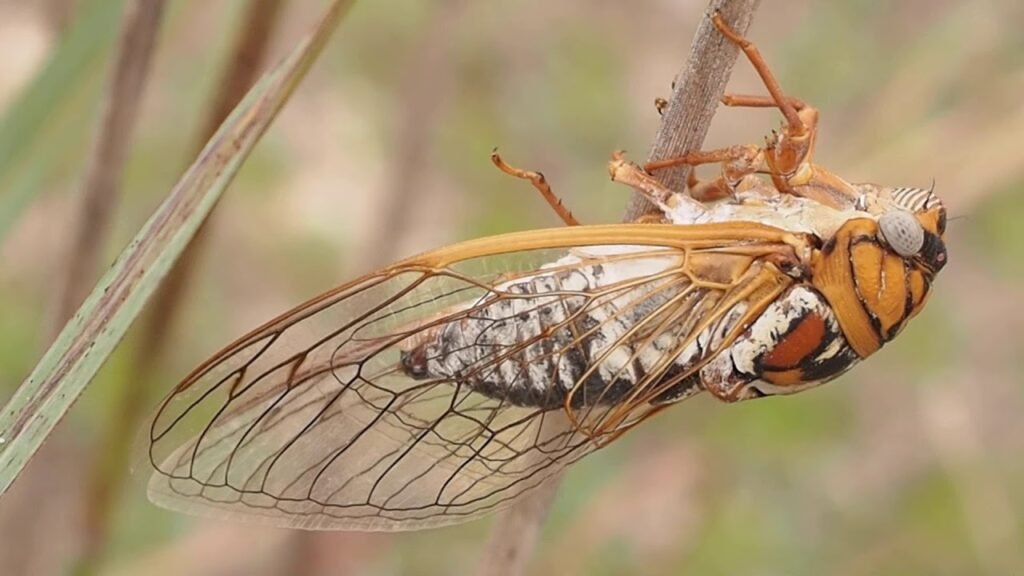
If you’ve ever spent a summer evening outdoors, you’ve likely heard the distinctive, high-pitched chorus of cicadas filling the air. This natural soundtrack, often referred to as cicada audio, is one of the most iconic sounds of warm weather in many parts of the world. But what exactly is cicada audio, why do cicadas make these sounds, and what makes their chorus so fascinating?
In this article, we’ll dive into the science behind cicada sounds, explore their purpose, and answer common questions about cicada audio.
What Is Cicada Audio?
Cicada audio refers to the characteristic buzzing or droning sounds produced by cicadas, insects belonging to the family Cicadidae. These sounds are generated by specialized structures called tymbals, located on the sides of the male cicada’s abdomen. When the cicada contracts and relaxes muscles attached to the tymbals, the membranes buckle in and out rapidly, creating a series of clicks that combine into the familiar buzzing noise.
Each species of cicada produces a unique sound pattern, which helps individuals identify mates and avoid predators. The resulting chorus of cicadas singing simultaneously is what many of us experience as a loud, vibrant hum on hot days.
Why Do Cicadas Produce These Sounds?
The primary reason cicadas produce audio is for mating purposes. Male cicadas sing to attract females. Their calls are species-specific and serve as a way to communicate readiness and location to potential mates. Some cicadas also use sound to ward off rivals or signal danger.
Interestingly, cicada audio can vary widely depending on the species and environmental conditions. Some cicadas produce a continuous drone, while others emit rhythmic pulses or trills. The volume can be surprisingly loud—some species produce sounds reaching over 100 decibels, comparable to a lawn mower or motorcycle!
The Role of Cicada Audio in Nature
Beyond reproduction, cicada sounds play a subtle ecological role. Their choruses can mask the sounds of predators, confusing potential threats. Additionally, the timing and duration of cicada singing often correspond to specific weather conditions, typically hot and dry weather, which influences their activity patterns.
Humans also find cicada audio intriguing and often associate it with summertime and natural tranquility. Because of this, recordings of cicada sounds are sometimes used in relaxation apps, ambient music, and nature soundscapes.
FAQs About Cicada Audio
1. How loud is cicada audio?
Cicada audio can be very loud, with some species producing sounds that reach up to 100-110 decibels. That’s about as loud as a chainsaw or a rock concert! This loudness helps their calls carry over long distances to reach potential mates.
2. Do both male and female cicadas make sounds?
No, typically only male cicadas produce the loud, buzzing calls using their tymbals. Female cicadas are generally silent but may respond with clicking noises in some species to communicate with males.
3. Why do cicadas make noise mostly during summer?
Cicadas are cold-blooded insects that depend on warm temperatures to be active. Summer heat provides the ideal environment for their singing and mating activities. Their emergence and sound production also coincide with seasonal life cycles to maximize reproductive success.
4. Can cicada sounds hurt your ears?
Listening to cicada audio at close range for prolonged periods can be uncomfortable due to their volume. However, they typically don’t cause permanent hearing damage if experienced outdoors in natural settings.
5. What is the difference between cicada sounds and other insect sounds like crickets or katydids?
Cicada audio is usually louder and has a more mechanical, buzzing or clicking quality compared to the softer chirps of crickets or the rhythmic tapping of katydids. Additionally, cicada sounds often form massive choruses involving hundreds or thousands of insects at once.
6. How do scientists record cicada audio?
Researchers use sensitive microphones and recording equipment to capture cicada calls in their natural habitats. These recordings help scientists study species identification, behavior, and environmental changes affecting cicada populations.
7. Are cicada sounds used for anything besides mating?
While mating is the main reason cicadas produce sound, their calls also help establish territory among males and can confuse or deter predators by creating a noisy environment.
8. How long do cicadas sing for?
The singing duration varies by species and conditions. Some cicadas sing continuously for several hours during the day, especially on hot afternoons. Others may sing in bursts or at specific times of day.
Interesting Facts About Cicada Audio
- Periodic Cicadas: Some species, like the famous 13-year and 17-year cicadas in North America, emerge in massive numbers and produce incredibly loud choruses that can last weeks.
- Temperature Dependent: The pitch and speed of cicada songs often increase with temperature — the hotter it is, the faster and higher-pitched the call.
- Communication Complexity: Cicada audio isn’t just noise; it contains subtle variations that convey different messages, such as courtship or warning.
Conclusion
Cicada audio is a remarkable natural phenomenon, blending biology, behavior, and ecology into a captivating summer soundtrack. These insects have evolved an extraordinary way to communicate that not only ensures their survival but also enriches our experience of the outdoors. Whether you love the buzz or find it overwhelming, understanding the science behind cicada audio adds a deeper appreciation for these noisy yet fascinating insects.
Next time you hear that distinctive buzz on a warm day, you’ll know you’re listening to one of nature’s oldest and most enduring forms of music.
