


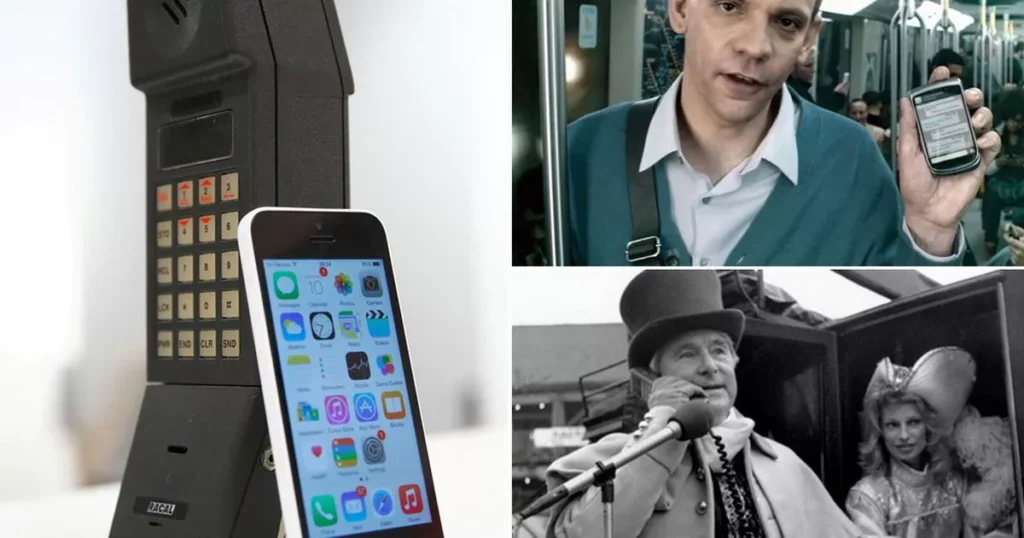
In a world where our lives revolve around screens, the concept of the Wise Phone has become a refreshing alternative to traditional smartphones. Unlike the latest high-tech devices that flood us with endless notifications, social media distractions, and data-hungry apps, a Wise Phone is built with one mission: to simplify your digital life and help you live more mindfully.
What Is a Wise Phone?
A Wise Phone is a minimalist mobile device designed to provide essential phone functions—calling, texting, navigation, and basic utilities—without the distractions of modern smartphones. Instead of addictive apps, social media, and constant updates, it offers a clean, simple interface that helps users stay focused on what truly matters.
In essence, a Wise Phone allows you to stay connected without being consumed. It’s not a step backward in technology, but rather a thoughtful reimagining of how we use it.
Why the World Needs Wise Phones
Modern smartphones are incredible tools, but they often demand too much attention. According to studies, the average person checks their phone over 150 times a day. Between emails, social media, and notifications, our attention spans are shrinking, and our mental well-being is suffering.
That’s where the Wise Phone steps in. By eliminating distractions, it encourages users to live in the moment, connect with people face-to-face, and reduce digital fatigue.
Here are a few ways a Wise Phone benefits your daily life:
- Improved Focus: With fewer distractions, you can concentrate better on work, studies, or hobbies.
- Enhanced Privacy: Many Wise Phones collect minimal user data and avoid tracking your habits.
- Better Sleep and Mental Health: Without social media apps or blue light exposure late at night, your mind gets the rest it deserves.
- Longer Battery Life: Without heavy apps draining the system, Wise Phones can last several days on a single charge.
- Peace of Mind: You stay reachable without the stress of endless alerts.
Top Features of a Wise Phone
While features vary by brand, most Wise Phones share these core qualities:
- Call and Text Only: Focus on real communication without distractions.
- Navigation: Some models include GPS for simple maps and directions.
- Camera: Basic but functional for essential use.
- Music and Notes: Minimal built-in tools for convenience.
- No App Store: No social media, games, or addictive applications.
- Strong Security: Encrypted operating systems and limited data collection.
- Minimal Interface: Simple, intuitive menus that anyone can use.
Popular examples include devices from companies like Wisephone (by Techless), Light Phone, and Mudita Pure—all designed around digital well-being.
Wise Phone vs. Smartphone: What’s the Difference?
| Feature | Wise Phone | Smartphone |
| Purpose | Simplify life and reduce distractions | Provide full digital experience |
| Apps | Limited or none | Thousands available |
| Screen Time | Low | Often excessive |
| Privacy | Minimal data tracking | Heavy data collection |
| Battery Life | Long-lasting | Shorter due to app use |
| Ideal For | Minimalists, parents, students, professionals seeking balance | Those needing full digital access |
The choice comes down to lifestyle. If your work depends on constant connectivity, a smartphone is essential. But if you crave peace, focus, and mental clarity, a Wise Phone might be the best investment you’ll ever make.
Who Should Use a Wise Phone?
A Wise Phone isn’t for everyone—but it’s perfect for anyone seeking a healthier relationship with technology.
- Students who want to study without distractions.
- Parents who want a safe phone option for their children.
- Professionals tired of constant pings and notifications.
- Minimalists who value simplicity over complexity.
- Digital detox enthusiasts who want to reclaim their attention.
Many people even use Wise Phones as secondary devices—keeping their main smartphone for work and switching to a Wise Phone during weekends, vacations, or personal time.
How to Transition to a Wise Phone
Switching from a smartphone to a Wise Phone can feel challenging at first, but it’s easier than it sounds.
Here are a few steps to make the transition smoother:
- Identify your priorities. Decide what you truly need a phone for—calls, messages, maybe navigation.
- Start small. Try using your Wise Phone on weekends or during evenings first.
- Tell friends and family. Let them know you’re simplifying communication—most will admire your choice.
- Replace digital habits. Fill the extra time with books, exercise, or hobbies.
- Stay consistent. After a few weeks, you’ll notice reduced anxiety and more clarity.
The Future of Wise Phones
Interestingly, the demand for minimalist phones is growing rapidly. As people become more aware of digital burnout, companies are responding with better designs and features that maintain simplicity without sacrificing practicality.
The Wise Phone movement represents more than just a tech trend—it’s a social shift toward mindful living. It reminds us that technology should serve humanity, not the other way around.
FAQs About Wise Phones
1. What makes a Wise Phone different from a regular phone?
A Wise Phone limits distractions by removing unnecessary apps, focusing on essential communication tools like calls and texts.
2. Can I use WhatsApp or Instagram on a Wise Phone?
No. Wise Phones intentionally exclude social media and messaging apps to help users stay distraction-free.
3. Are Wise Phones good for kids?
Yes. They’re excellent for children because they provide safety and communication without internet risks or addictive apps.
4. How much does a Wise Phone cost?
Prices vary, but most range between $250 and $400, depending on the brand and features.
5. Can I access the internet on a Wise Phone?
Some models allow limited browsing for essential use, but most avoid internet access entirely to maintain focus and privacy.
6. Is it worth switching to a Wise Phone?
If you feel overwhelmed by constant notifications and want a calmer, more intentional lifestyle, the answer is a definite yes.
Final Thoughts
The Wise Phone is not about rejecting technology—it’s about reclaiming control over it. In a hyper-connected world, choosing simplicity can be the wisest decision of all.
It’s not about being anti-smartphone; it’s about being pro-life, pro-focus, and pro-peace.
