


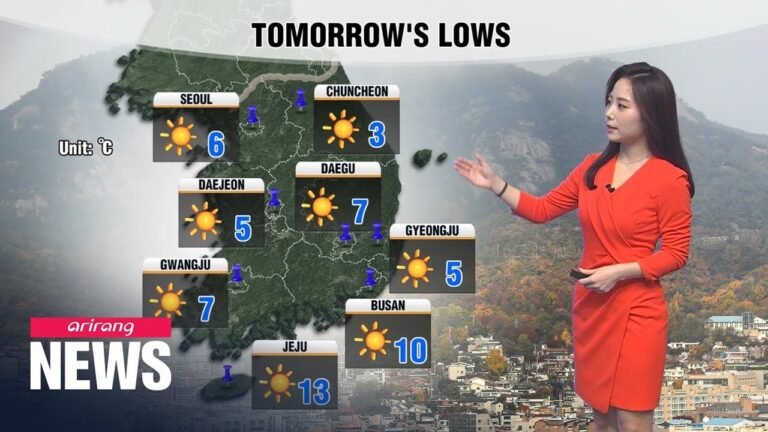
Every day, millions of people search the same simple phrase: weather tomorrow. Whether you’re planning a day trip, prepping for work, organizing an outdoor event, or simply deciding what you should wear in the morning, knowing what the weather will be like tomorrow helps you feel more prepared and confident. Even though forecasts are available everywhere—on phones, TV, voice assistants, and social media—many people still wonder how accurate they are, how they’re created, and what all those forecast terms actually mean.
Weather forecasting has come a long way in the past few decades. Today’s 24-hour forecasts are impressively reliable, thanks to advanced satellites, radar systems, and computer models that analyze atmospheric conditions around the world. Yet the weather can still feel unpredictable, especially when forecasts change from one day to the next. Understanding what shapes tomorrow’s weather and how to read a forecast can help you make better decisions and avoid surprises.
What Influences the Weather Tomorrow?
Weather is shaped by several constantly shifting elements in the atmosphere. When meteorologists predict what tomorrow will look like, they study these key factors:
1. Temperature Patterns
Temperature is one of the primary drivers of weather. Warm air rises and cool air sinks, and that simple movement creates everything from sunny skies to thunderstorms. When a warm front approaches, temperatures climb and the air becomes more humid. When a cold front moves in, temperatures drop, the air dries out, and winds often strengthen. Understanding these patterns helps forecasters predict heat, cold, and changes in cloud cover.
2. Air Pressure Systems
Air pressure affects nearly every aspect of weather.
- High pressure generally means calm, clear weather.
- Low pressure typically leads to clouds, rain, or storms.
When a pressure system shifts, tomorrow’s forecast can change quickly. That’s why you might see a sunny prediction early in the day and a chance of rain added later as new data comes in.
3. Humidity Levels
Humidity measures the amount of moisture in the air. High humidity can make the temperature feel warmer than it actually is. It also increases the chances of precipitation because moist air forms clouds more easily. Low humidity, on the other hand, usually brings crisp, dry weather.
4. Wind Direction and Speed
Wind is like the conveyor belt of weather. It moves heat, moisture, and pressure systems from one region to another. A sudden increase in wind speed or a shift in wind direction often signals a change in weather is coming soon.
5. Radar and Satellite Data
Modern forecasts rely heavily on technology. Satellite images show cloud movement, storm development, and temperature changes. Radar tracks precipitation—how much is falling, where it’s moving, and how strong it is. These tools help meteorologists update tomorrow’s forecast with impressive accuracy.
Why Tomorrow’s Weather Forecast Matters
While many of us check the weather out of habit, the forecast for tomorrow actually has a real impact on daily life.
Planning Your Day
A chance of rain might influence where you go, how you commute, or whether you can spend time outside. If you’re preparing for a morning meeting or school run, knowing the weather tomorrow helps you avoid rushing or being caught off guard.
Choosing the Right Clothing
Temperature swings can be drastic, especially in transitional seasons. Checking the forecast ensures you’re not shivering in the morning or overheated in the afternoon.
Health & Safety
Extreme weather—heatwaves, thunderstorms, high winds, or freezing conditions—can pose risks. A simple forecast check can help you stay safe, especially if you’re traveling or working outdoors.
Work, Travel, and Logistics
Farmers, delivery drivers, construction teams, pilots, and event organizers all rely heavily on accurate short-term forecasts. Even everyday travelers benefit from knowing if fog, storms, or icy roads might affect their route.
How to Check the Weather Tomorrow
Weather forecasts come from multiple sources, and most people use several:
Weather Apps
These provide hourly updates, radar maps, and alerts. Apps pull data from major meteorological centers and often use multiple weather models to increase accuracy.
Local News Forecasts
Local meteorologists understand regional patterns better than anyone. Their analysis often includes subtle details that apps miss.
National Weather Services
Government agencies issue official warnings and advisories to keep the public informed during severe weather events.
Smart Devices
Voice assistants like Alexa, Google, and Siri can quickly answer questions like “What’s the weather tomorrow?” using real-time data.
How to Read a Weather Forecast
Forecasts include many terms that can be confusing at first. Here are the most important ones:
- Partly Cloudy: More sun than clouds.
- Mostly Cloudy: More clouds than sun.
- Chance of Rain: A percentage that reflects how likely precipitation is in your area.
- Feels Like Temperature: Combines wind and humidity to show how it truly feels outside.
- Overnight Low: The coldest temperature expected before morning.
Understanding these helps you interpret the forecast more accurately.
Tips to Prepare for Tomorrow’s Weather
- Check the forecast before bed and again in the morning.
- Pack an umbrella or raincoat if rain is likely.
- Dress in layers for unpredictable temperatures.
- Plan outdoor activities earlier in the day during summer heat.
- Secure loose items if high winds are expected.
- Stay updated on weather alerts during storms.
FAQs About “Weather Tomorrow”
1. How accurate is tomorrow’s weather forecast?
Next-day forecasts are usually very accurate because meteorologists rely on fresh, real-time data.
2. Why do forecasts change overnight?
New satellite and radar information can reveal shifting pressure systems or storms that weren’t visible earlier.
3. Do multiple apps give different forecasts?
Yes. Different apps use different prediction models, which can create slight variations.
4. What does a 50% chance of rain mean?
It means there’s a 50% chance that precipitation will occur somewhere in the forecast area.
5. When should I check the weather for tomorrow?
Evening updates are great for planning, but a quick check in the morning ensures you have the latest information.
