


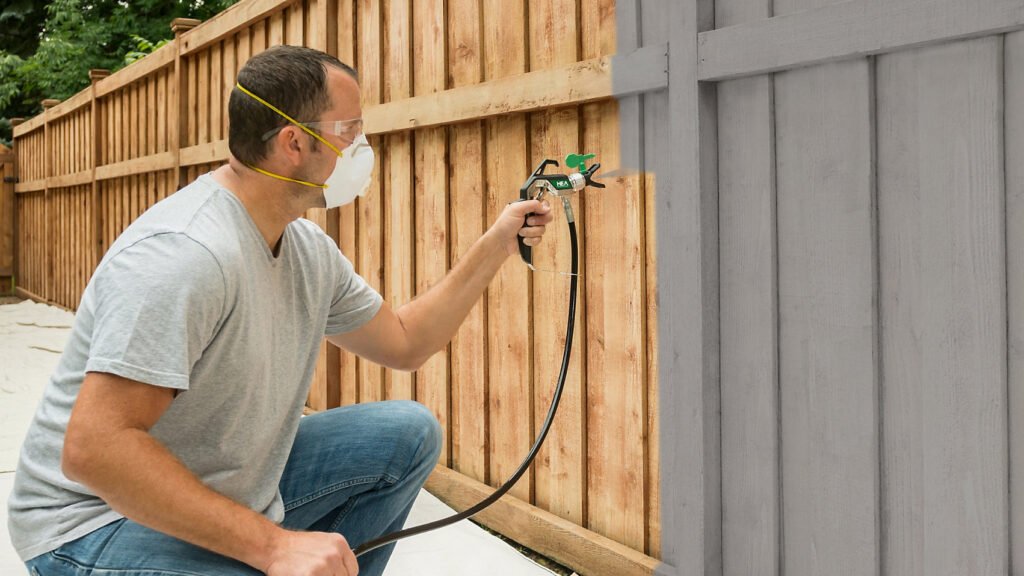
When it comes to painting walls many people rely on brushes or rollers. While these tools get the job done, using a spray gun can significantly speed up the process and deliver a smooth, professional finish. Whether you’re tackling a single accent wall or an entire room, painting with a spray gun offers efficiency and quality—if done correctly.
In this article, we’ll explore the benefits of using a spray gun for wall painting, walk you through the process, and answer some of the most frequently asked questions.
Why Use a Spray Gun for Painting Walls?
Spray guns atomize paint into a fine mist, allowing for an even application that’s hard to achieve with brushes or rollers. Here are some advantages:
- Speed: Cover large areas quickly.
- Smooth Finish: Avoid brush strokes and roller marks.
- Consistency: Apply paint evenly across surfaces, including textured walls.
- Versatility: Works well on various wall surfaces—drywall, plaster, concrete.
However, spray painting requires some preparation and technique to avoid issues like overspray or uneven coats.
Step-by-Step Guide to Painting a Wall with a Spray Gun
1. Choose the Right Spray Gun
There are several types of spray guns, but the most common for wall painting are:
- Airless Spray Guns: Use high pressure to spray thick coatings. Great for large surfaces and thick paints.
- HVLP (High Volume Low Pressure) Spray Guns: Produce less overspray and are ideal for detail work.
For most wall painting jobs, an airless sprayer is preferred due to speed and efficiency.
2. Prepare the Room
- Clear the area: Remove furniture or cover everything with drop cloths.
- Mask off edges: Use painter’s tape and plastic sheeting to protect trim, windows, and floors.
- Ventilation: Ensure good airflow to help with drying and reduce fumes.
3. Prepare the Wall
- Clean the surface of dust and dirt.
- Fill any holes or cracks with spackle or filler.
- Sand rough spots to smooth out the surface.
- If repainting a dark color over a light one, consider a primer coat.
4. Thin the Paint
Spray guns often require paint to be thinned for optimal flow. Check the manufacturer’s guidelines. Latex paint may need thinning with water or a specific thinner, while oil-based paints use mineral spirits.
5. Test Spray
Before tackling the wall, test the spray pattern on a piece of cardboard or scrap surface. Adjust the spray gun’s pressure and nozzle to get a fine, even mist.
6. Spray the Wall
- Hold the spray gun about 12 inches from the wall.
- Move your arm steadily and horizontally across the wall.
- Overlap each pass by about 50% to avoid streaks.
- Apply thin, even coats rather than heavy layers.
- Let the paint dry between coats as recommended.
7. Clean Up
- Clean the spray gun immediately after use according to the manufacturer’s instructions.
- Remove masking tape and coverings carefully to avoid peeling paint.
Tips for a Successful Spray Painting Job
- Practice makes perfect—try a few passes on scrap material first.
- Use slow, steady movements.
- Don’t spray too close or too far from the surface.
- Keep the spray gun perpendicular to the wall.
- Work in a well-ventilated area and wear protective gear like masks and goggles.
Frequently Asked Questions (FAQs)
Q1: Can I use any type of paint with a spray gun?
Not all paints are suitable for spraying. Latex paints usually need thinning, and some heavy or textured paints won’t spray well. Always check your spray gun manual and paint manufacturer recommendations before buying.
Q2: How do I prevent overspray?
Overspray happens when paint particles spread beyond the intended surface. To reduce it:
- Use a spray gun with adjustable pressure.
- Maintain the recommended distance from the wall.
- Use masking materials to cover floors, furniture, and trim.
- Spray in a controlled, steady motion.
Q3: Is painting with a spray gun messy?
It can be if you don’t prepare well. Proper masking, drop cloths, and ventilation help minimize mess. Wear protective clothing and goggles to avoid inhaling paint particles.
Q4: How long does it take to paint a wall with a spray gun?
Spray guns can cover walls much faster than rollers or brushes. A standard 12×12 foot wall can often be sprayed in under 10 minutes for one coat, but preparation and drying times will add to the overall project length.
Q5: Do I need to prime the wall before spray painting?
Priming depends on the condition and color of your wall. If the wall has stains, repairs, or is a dark color that you want to paint over with a lighter shade, priming is recommended for better coverage and adhesion.
Q6: How do I clean my spray gun after use?
Cleaning methods vary by type, but generally:
- For water-based paints, flush the gun with water.
- For oil-based paints, use mineral spirits or paint thinner.
- Disassemble the gun parts and clean thoroughly to prevent clogs.
Q7: Can I spray paint textured walls?
Yes, but it may require multiple passes to cover all the grooves and dips evenly. Adjust the spray pattern and pressure accordingly.
Final Thoughts
Painting a wall with a spray gun can transform a tedious job into an efficient and even finish. While there is a learning curve, with the right preparation and technique, you can achieve professional results. Make sure to invest in quality equipment, take your time with setup, and protect your surroundings. Once you master the spray gun, you’ll wonder how you ever painted walls without one!
