


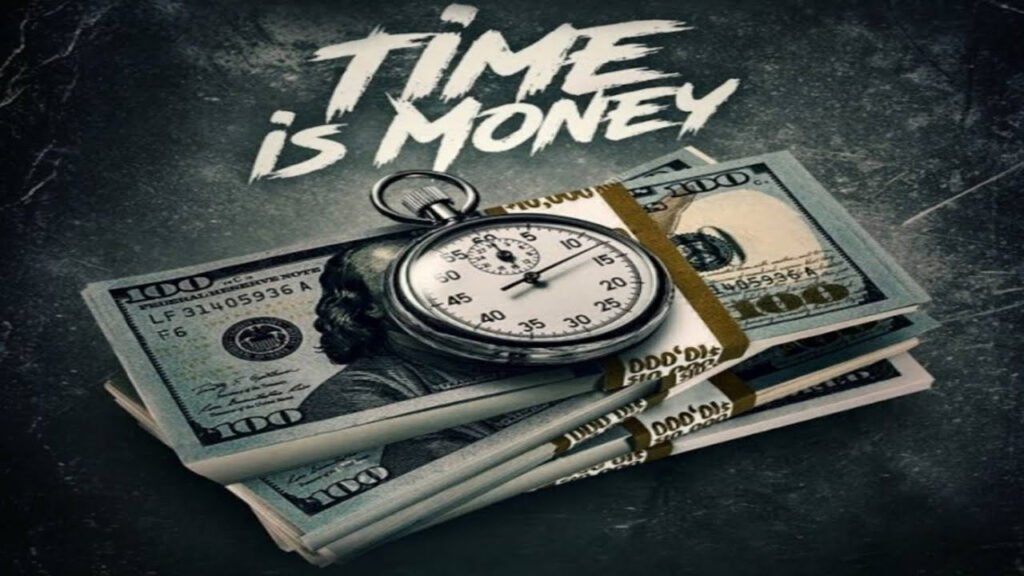
People often say time is money But in reality, time is worth even more. You can earn back lost money. You can’t earn back lost hours. “Money time” is about understanding the value of both—your hours and your dollars—and how they interact to shape your quality of life.
What Does “Money Time” Really Mean?
The phrase doesn’t just mean working harder to make cash. It’s about the relationship between time and money:
- How much of your life you trade for a paycheck.
- Whether you’re spending money to save time—or wasting time to save money.
- How to balance both so you’re not broke financially or mentally.
At its core, money time is decision-making: choosing whether the clock or the wallet matters more in a given situation.
The Trade-Offs We Face Daily
Every day, you’re faced with “money time” choices:
- Hiring vs. DIY: Paying a cleaner saves you 3 hours. Is that worth it compared to what else you’d do with those hours?
- Commuting vs. Living closer: A cheaper apartment with a two-hour commute may cost you less money, but much more time.
- Overtime pay vs. family dinner: Extra cash now might mean missing out on priceless time with loved ones.
These decisions stack up. They shape your finances, your stress levels, and your happiness.
Why People Undervalue Their Time
Most people calculate their worth by their salary, not their time. If you earn $30 an hour at work, you might think that’s your “time value.” But that’s incomplete. Your personal hours carry emotional, mental, and social weight that money doesn’t fully capture.
Scrolling on your phone for 3 hours may feel free, but it costs you opportunities—exercise, learning, or meaningful connection. Likewise, saying yes to every gig or side hustle may boost your income but drain your energy.
Flipping the Equation: Spend Money to Buy Time
The smartest use of money often isn’t to buy more things, but more time. Examples:
- Grocery delivery instead of spending 2 hours in traffic and checkout lines.
- Investing in better tools or software that shave hours off tasks.
- Paying for childcare so you can focus on high-value work or self-care.
These aren’t “luxuries.” They’re strategic moves to reclaim life’s scarcest resource.
The Bigger Picture: Long-Term Money Time
It’s easy to trade time for money short-term, but the long game matters. Retirement savings, passive income, and skill-building all shift the balance in your favor. The more money works for you, the less you need to sacrifice your hours to earn it.
Ultimately, financial freedom isn’t just about having cash in the bank—it’s about owning your schedule. That’s real money time.
FAQs About Money Time
1. What is the concept of money time?
Money time is the idea that time and money are interconnected resources. It’s about deciding when to prioritize earning money and when to protect your time.
2. How can I calculate the value of my time?
Start with your hourly wage, but don’t stop there. Factor in stress, enjoyment, and long-term impact. For example, if a $50 service saves you 3 hours and you’d rather spend those hours on meaningful work or rest, it’s worth it.
3. Why do people say time is more valuable than money?
Money can be earned, saved, or borrowed. Time can only be spent once. You can’t rewind your life clock, which makes time a non-renewable resource.
4. Should I always spend money to save time?
Not always. It depends on your financial situation and priorities. The key is balance. If spending money creates financial stress, it may not be worth it.
5. How does “money time” apply to careers?
It shows up in choices like working overtime, switching jobs for higher pay but longer hours, or pursuing a side hustle. You have to weigh whether the extra income is worth the time lost.
6. Can money really buy happiness by saving time?
Research suggests yes—when money is used to reduce stressful or draining tasks. Buying time for rest, relationships, or meaningful experiences tends to increase life satisfaction more than buying material goods.
7. What’s the best way to balance time and money?
Set clear priorities. Decide what’s worth trading hours for cash, and what’s worth paying for to gain back hours. Aim to design a life where your money supports your freedom, not just your survival.
Final Word
“Money time” isn’t about hustling endlessly or pinching every penny. It’s about awareness. Each day you decide how to spend two resources you’ll never fully control: the hours you’re given and the money you can earn. Choose wisely, and you’ll find not just more wealth—but more life in the time you have.
