


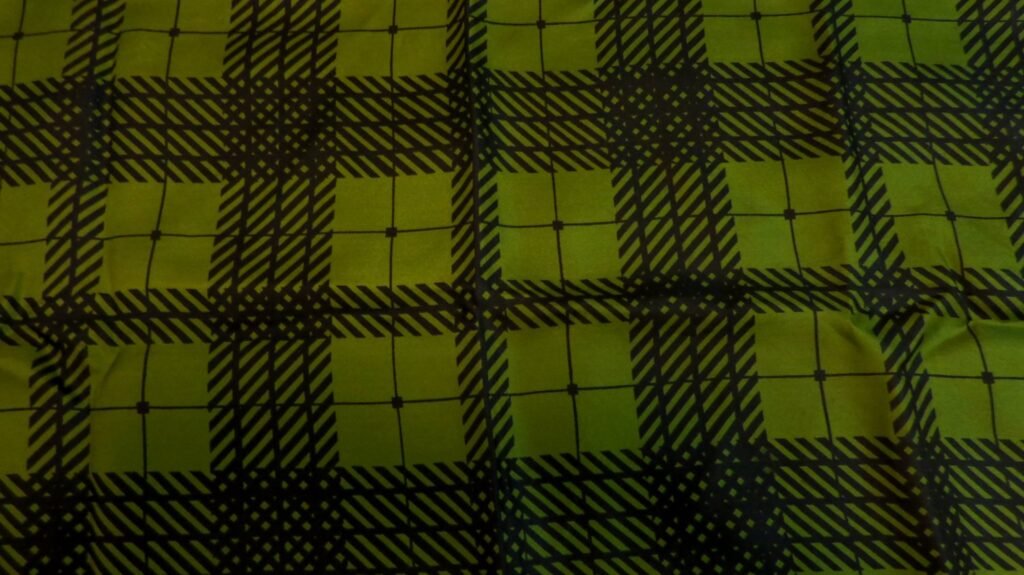
When people talk about “loden,” they’re usually referring to both a fabric and a color. Originally from the Alpine regions of Austria and Germany, loden wool was famous for being warm, durable, and naturally water-resistant. Over time, the earthy green shade associated with this fabric became known as loden color. Today, it’s more than just a traditional hue for hunting jackets—it’s a versatile tone with modern appeal.
What Is Loden Color?
Loden color is a muted, dark green with gray or brown undertones. Unlike the bright greens you might see in fashion or design, loden has a subdued, almost mossy quality. It’s the kind of green you find in forests or mountain landscapes, which makes sense given its Alpine roots.
It’s a natural, grounding color that feels calm and sophisticated rather than flashy.
The Origins
The word “loden” comes from the German word lodo, meaning “coarse cloth.” The color emerged naturally from sheep’s wool and the dyeing methods of the time, which relied on plant-based dyes. Since the fabric was originally used for outdoor wear—coats, capes, and traditional alpine clothing—the green tone blended in with the landscape.
Over time, the color itself became iconic, independent of the wool fabric it was tied to.
Loden in Fashion
Loden green has always had a place in classic menswear, especially in coats, jackets, and military-inspired clothing. Think of the traditional loden coat: straight cut, high collar, and that unmistakable deep green.
But loden isn’t stuck in the past. Modern designers use the color in casual wear, streetwear, and even luxury collections. It pairs well with neutral palettes—beige, camel, charcoal, and navy—and works in both autumn and winter wardrobes.
For women’s fashion, loden green shows up in oversized coats, knits, and accessories. It has a timeless quality that keeps it from feeling trendy, yet it’s versatile enough to adapt to different styles.
Loden in Interior Design
Beyond clothing, loden color is popular in home décor. It adds depth without overwhelming a space. Because of its muted tone, it can act as a neutral while still providing color. Designers often use loden on:
- Upholstery fabrics like velvet or wool
- Accent walls
- Cushions, throws, and rugs
- Kitchen cabinetry for a warm but modern look
It works especially well in rustic or nature-inspired interiors, but it can also feel sleek in minimalistic spaces when combined with black, white, or metallic accents.
How to Style and Combine Loden
- With neutrals: Beige, ivory, and taupe highlight loden’s earthy undertone.
- With darker tones: Navy and charcoal create a sharp, masculine effect.
- With warm shades: Rust, mustard, or burgundy give a cozy autumn feel.
- With metallics: Brass or gold elevate it into a more luxurious territory.
Because it’s understated, loden green works equally well for statement pieces or background color.
FAQs About Loden Color
1. Is loden the same as olive green?
Not exactly. Olive green is usually lighter and has more yellow in it. Loden is darker, with gray and brown undertones, making it more muted and cooler in tone.
2. Where did the loden color originate?
It originated in the Alpine regions of Austria and Bavaria, tied to the traditional wool fabric called loden, which was naturally dyed in greenish tones.
3. Is loden color only used in traditional clothing?
No. While it has roots in traditional Austrian coats, today loden is used in modern fashion, streetwear, and home décor.
4. Does loden work for minimalist style?
Yes. Because it’s muted and not overly bright, loden fits perfectly into minimalist aesthetics, especially when paired with black, white, or neutral shades.
5. What season is best for loden clothing?
Autumn and winter. Its deep, earthy tone pairs beautifully with seasonal palettes and heavier fabrics.
6. Can loden be used in small spaces?
Absolutely. In interiors, loden adds depth without making a room feel too dark, especially when balanced with lighter elements like cream or wood.
7. How do you describe loden in simple words?
It’s a muted, dark green that looks natural, earthy, and timeless.
Final Thoughts
Loden color is one of those shades that never really goes out of style. It’s subtle but rich, rooted in tradition yet adaptable to modern design. Whether you’re layering it into your wardrobe or adding it to your living room, loden offers a balance of sophistication and groundedness.
It’s proof that sometimes the quietest colors have the strongest staying power
