


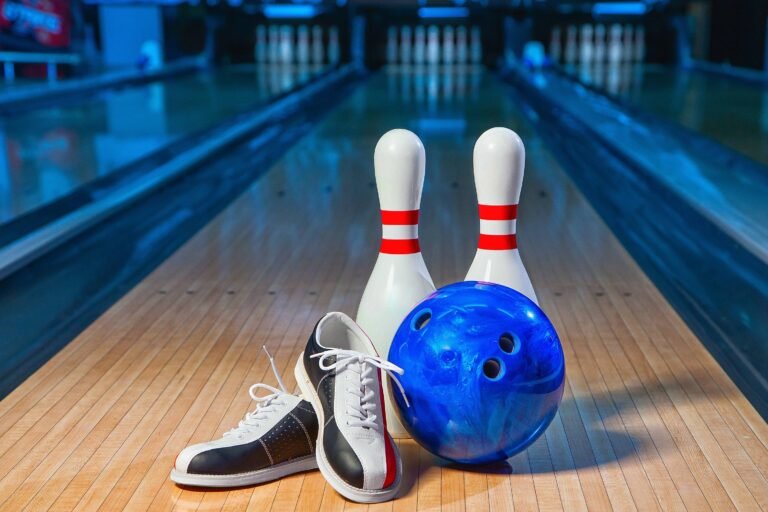
Walk into any bowling alley on a Friday night and you’ll see people laughing, eating, chatting, and casually tossing a ball down the lane. The atmosphere feels relaxed and social, which is one reason many people question whether bowling truly counts as a sport. But if you look beyond the neon lights, the rented shoes, and the occasional gutter ball, you’ll discover that bowling has a long history of intense competition skilled athletes, and strict rules. So the real question is worth exploring: Is bowling a sport or just a fun pastime?
Defining What Makes a Sport a Sport
Before labeling bowling, it helps to understand what generally defines a sport. Most definitions agree that a sport involves:
- Physical effort and skill
- A structured set of rules
- Competition between individuals or teams
- Practice, technique, and measurable performance
While sports can vary widely in intensity—from high-contact football to precision activities like golf—the core elements remain the same. When you place bowling next to this definition, it checks every box.
Bowling Requires Real Physical Skill
People often underestimate the physical aspect of bowling. They assume that because it doesn’t require sprinting, tackling, or jumping, it must not demand athletic ability. But rolling a 14- to 16-pound ball repeatedly with accuracy is more physically demanding than it looks.
A proper bowling approach requires:
- Balanced footwork
- Controlled arm motion
- Strong core stability
- Wrist strength
- Shoulder and back endurance
Professional bowlers train these muscle groups intentionally. They also practice for hours on end to refine their release, speed, rotation, and overall timing. Fatigue can easily disrupt form, and even a small inconsistency can turn a strike into a split. The precision required to bowl consistently at a high level is absolutely athletic.
Strategy Plays a Major Role
Bowling is more than rolling a ball straight down the lane. Serious bowlers study lane conditions, oil patterns, and how those patterns change throughout a game. They select their balls based on core dynamics, coverstock materials, and expected hook potential.
During competition, bowlers constantly adjust:
- Their starting position
- The angle of their approach
- Ball speed
- Loft height
- Release rotation
This strategic decision-making is very similar to sports like golf and billiards. Every shot matters, and every adjustment can influence the final score.
Bowling Has Organized Rules and Competitive Leagues
Bowling has established governing bodies, including the United States Bowling Congress (USBC) and the Professional Bowlers Association (PBA). These organizations regulate rules, maintain standards, and coordinate national and international competitions.
Competitive bowling includes:
- Local and national leagues
- Youth and adult tournaments
- Collegiate bowling teams
- Professional tours
- International championships
These events follow official rules for lane dimensions, scoring, ball specifications, foul lines, and more. The presence of such detailed regulation places bowling firmly within the world of organized sports.
Mental Focus Is Just as Important as Physical Skill
Bowling is sometimes described as a mental game disguised as a physical one. Players must stay calm, focused, and consistent across multiple frames and games. One mistake can shift momentum, and players need to mentally reset instantly.
The psychological demands of bowling mirror other precision-based sports. Anxiety, pressure, and concentration all affect performance. Maintaining mental discipline is a key component that separates recreational bowlers from competitive athletes.
Why Some People Think Bowling Isn’t a Sport
Even with all these athletic and strategic elements, some still argue that bowling is not a real sport. Common reasons include:
1. It Looks Too Casual
Most people associate bowling with birthday parties, glow lights, pizza, and arcade games. The recreational environment makes bowling feel more like entertainment than athletic competition.
2. People Can Eat and Drink While Playing
Unlike sports that require constant movement, bowling allows players to sit between turns. The fact that people can snack or drink while playing adds to the perception that it’s more of a hobby.
3. It Doesn’t Look Physically Intense
Compared to sports that involve running or physical contact, bowling seems low-impact. But low-impact doesn’t mean low athleticism. Sports like golf, archery, and curling also rely heavily on precision rather than physical exertion, yet they are universally accepted as sports.
The Final Answer: Yes, Bowling Is a Sport
Based on the standard criteria of what defines a sport, bowling clearly qualifies. It requires physical ability, practiced skill, strategic thinking, and adherence to formal rules. It features organized competition at every level—from casual leagues to televised professional tournaments. Just because bowling is fun and accessible doesn’t mean it lacks athletic qualities. Many legitimate sports strike that balance.
Whether you bowl casually on weekends or follow professional competitions, the game offers a unique blend of skill, technique, and mental challenge. Bowling may not leave you breathless like a marathon, but it demands precision, consistency, and mastery—qualities that define some of the world’s greatest sports.
FAQs
1. Is bowling officially considered a sport?
Yes. Bowling is formally recognized as a sport by national and international organizations, including the USBC and the International Bowling Federation.
2. Do professional bowlers train like athletes?
Absolutely. Professional bowlers focus on strength, flexibility, muscle endurance, and mental focus. Many practice daily and follow fitness routines tailored to the sport.
3. Why do some people think bowling is just a hobby?
Because it’s easy to play casually and often associated with social activities, many overlook the competitive and athletic aspects that make it a sport.
4. Is bowling physically demanding?
While not as intense as running sports, bowling requires strength, control, and endurance—especially during long competitions.
5. Can bowling be both a sport and a recreational activity?
Yes. Many sports, including swimming and cycling, can be enjoyed casually or competitively. Bowling fits the same model.
