


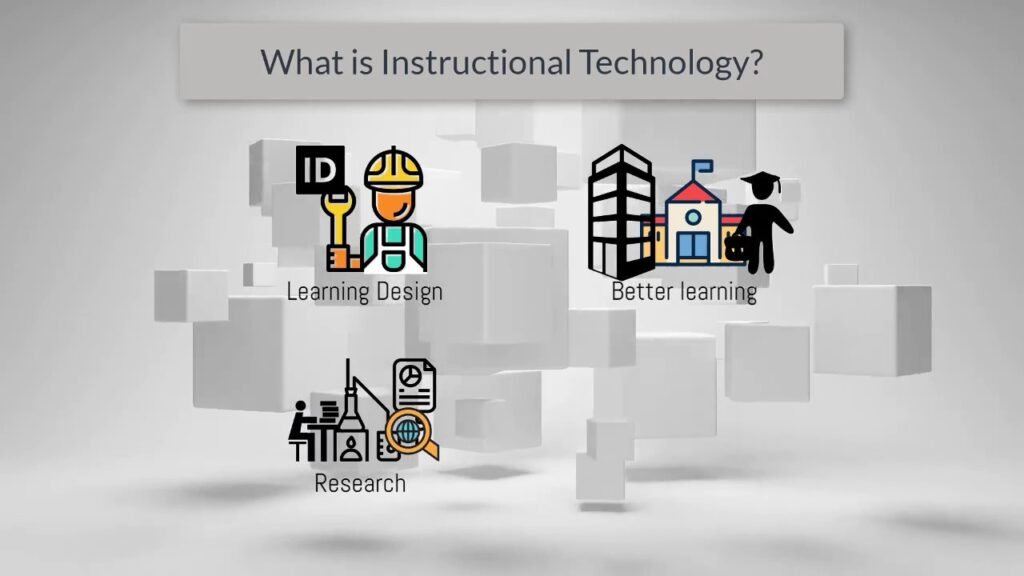
In today’s digital-driven world, education continues to evolve at a remarkable pace. The traditional classroom, once limited to chalkboards and textbooks, now integrates digital tools, cloud-based platforms, and interactive technologies that make learning more engaging and accessible. At the heart of this transformation lies Instructional Technology Services (ITS) — a vital support system that empowers educators and learners through innovative teaching methods and technological resources.
What Are Instructional Technology Services?
Instructional Technology Services refer to the tools, systems, and professional support provided to enhance teaching, learning, and academic performance through technology. These services bridge the gap between pedagogy and innovation, helping teachers effectively use digital tools to deliver content, assess learning, and foster collaboration.
Universities, K–12 schools, and even corporate training departments rely on ITS to integrate technology into their curricula and learning environments. This may include:
- Learning management system (LMS) support (like Canvas, Moodle, or Blackboard)
- Multimedia and video production assistance
- Online course design and development
- Classroom technology setup and maintenance
- Faculty training and workshops on digital teaching tools
In essence, instructional technology services aim to make learning more engaging, efficient, and accessible for everyone involved.
The Role of Instructional Technology in Modern Education
Instructional technology doesn’t just introduce gadgets into classrooms—it transforms how knowledge is shared and retained. Let’s look at a few ways ITS contributes to modern education:
1. Improving Access and Inclusivity
With the rise of online and hybrid learning, instructional technology services ensure that education reaches students regardless of physical location. Features like closed captioning, screen readers, and adaptive technologies make learning more inclusive for students with disabilities.
2. Enhancing Student Engagement
Gamification, interactive whiteboards, virtual labs, and educational apps turn passive learning into active participation. ITS teams help teachers select and implement these tools effectively, making lessons more dynamic and memorable.
3. Supporting Data-Driven Decisions
Modern educational technologies generate valuable insights through analytics. ITS professionals help instructors interpret this data to identify learning trends, track student progress, and improve teaching strategies.
4. Facilitating Collaboration
Platforms like Google Workspace, Microsoft Teams, and Zoom have become essential for communication and collaboration. Instructional technology services support educators in setting up these tools, ensuring smooth virtual interactions among students and staff.
Core Components of Instructional Technology Services
While each institution may structure its ITS department differently, most offer a mix of these essential services:
- Instructional Design: Helping educators design engaging and pedagogically sound online or hybrid courses.
- Technology Integration: Assisting with the setup and operation of classroom tools such as smartboards, projectors, and interactive software.
- Training and Professional Development: Offering workshops, webinars, and one-on-one sessions to train faculty on new technologies.
- Technical Support: Providing troubleshooting and technical assistance to ensure classes run smoothly.
- Multimedia Production: Creating educational videos, podcasts, or animations to enrich course content.
These services work together to create a supportive ecosystem where teaching and technology blend seamlessly.
Benefits of Instructional Technology Services
The impact of ITS extends far beyond technical assistance. Here are some key benefits:
- Increased Teaching Efficiency: Educators spend less time dealing with tech issues and more time engaging students.
- Improved Learning Outcomes: Interactive and personalized learning experiences enhance comprehension and retention.
- Cost-Effectiveness: Digital materials reduce the need for printed resources and physical classroom materials.
- Flexibility: ITS supports remote and hybrid learning models, allowing for flexible learning schedules.
- Innovation in Education: Teachers are encouraged to explore creative instructional methods using the latest digital tools.
The Future of Instructional Technology Services
As artificial intelligence, virtual reality, and machine learning continue to evolve, the future of ITS looks even more exciting. Personalized learning experiences driven by AI, immersive VR classrooms, and data-driven feedback loops are reshaping how education is delivered. Instructional technology professionals will play a crucial role in helping institutions adopt these innovations responsibly and effectively.
FAQs About Instructional Technology Services
1. What is the main goal of instructional technology services?
The primary goal is to enhance teaching and learning through the effective use of technology. ITS teams provide tools, training, and support to help educators integrate digital resources into their lessons.
2. Who uses instructional technology services?
ITS supports faculty, students, and administrators in educational institutions, as well as trainers and learners in corporate or nonprofit settings.
3. How do instructional technology services differ from IT support?
While IT focuses on maintaining hardware, software, and networks, instructional technology services specialize in using technology for educational purposes—such as course design, e-learning tools, and digital content creation.
4. Can small schools or organizations benefit from ITS?
Absolutely. Even small schools can improve learning outcomes by leveraging instructional design, digital tools, and online learning platforms supported by ITS.
5. What skills do instructional technology professionals need?
They typically have expertise in education, instructional design, multimedia production, and educational technology platforms. Strong communication and problem-solving skills are also essential.
6. What trends are shaping the future of instructional technology?
Trends include AI-driven personalized learning, immersive VR experiences, microlearning, and data analytics for performance tracking.
Conclusion
Instructional Technology Services are at the forefront of modern education, driving innovation and accessibility in every learning environment. By combining pedagogy with digital tools, ITS empowers educators to create engaging, inclusive, and effective learning experiences. As technology continues to advance, these services will remain indispensable in shaping the classrooms—and learners—of the future.
