


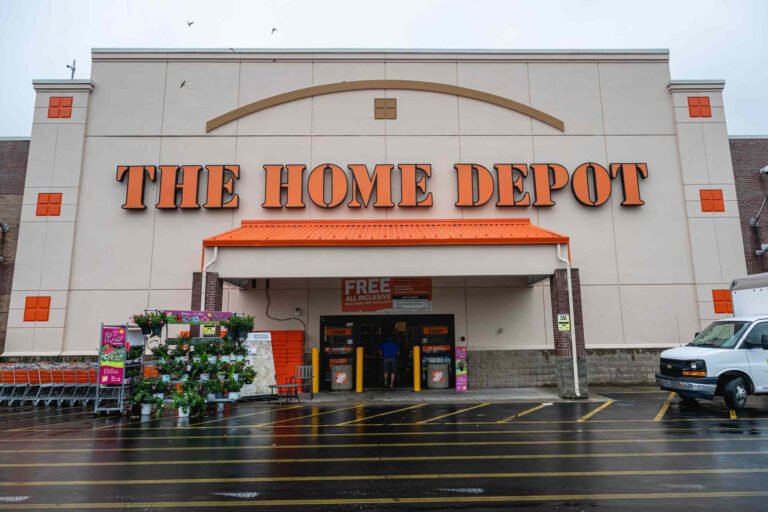
Over the past few years Home Depots Damage Protection program—often added to tool and equipment rentals—has come under scrutiny from customers who claim the fees were misleading, improperly charged, or not clearly disclosed. These complaints have sparked discussions and legal interest surrounding a possible Home Depot Damage Protection class action. While the status of any formal nationwide lawsuit can change over time, the controversy itself has raised important questions about transparency, consumer rights, and rental-fee practices.
What Is Home Depot’s Damage Protection Program?
When customers rent tools or equipment from Home Depot, they are typically given the option to purchase Damage Protection, a fee intended to reduce or eliminate charges if the tool is accidentally damaged during use. The advertised purpose is to offer peace of mind—essentially a waiver that limits the customer’s financial responsibility.
The issues arise in how this program has been communicated and applied. Some renters reported that:
- They were charged the Damage Protection fee even when they say they never opted in.
- The program was not properly explained at checkout.
- The fee was presented in a way that made it seem mandatory.
- The protection did not cover as much as they assumed, despite the added cost.
These complaints have fueled interest in collective legal action.
Why a Potential Class Action?
A class action lawsuit generally forms when a group of consumers believes they were affected by the same business practice. In the case of Home Depot’s Damage Protection program, concerns center around allegedly deceptive or confusing fee disclosures.
Class action investigations typically focus on questions such as:
- Did Home Depot clearly inform customers that Damage Protection was optional?
- Were fees automatically added without consent?
- Did advertising or in-store signage accurately describe what the fee covers?
- Were consumers charged for protection but denied coverage when filing claims?
If attorneys determine that enough customers experienced similar issues, they may push forward with a class action seeking refunds or policy changes.
What Customers Have Reported
Many discussions online include stories from customers saying:
- They didn’t realize the fee was included until after payment.
- They assumed the fee functioned like full-coverage insurance, only to learn it had exclusions.
- They felt pressured into accepting the fee without enough explanation.
While individual experiences vary, a pattern of similar complaints often triggers legal review.
What a Class Action Could Mean for Consumers
If a class action lawsuit is filed and succeeds—or is settled—customers may be eligible for:
- Partial or full refunds of improperly charged fees
- Changes to Home Depot’s rental policies for future transparency
- Clearer disclosures about optional add-on services
It’s important to remember that investigations do not automatically mean wrongdoing. Often, companies adjust their policies voluntarily to improve customer clarity, regardless of litigation.
What Consumers Can Do Now
If you feel you were wrongly charged for Damage Protection at Home Depot:
- Check your receipt to confirm whether the fee was added.
- Contact Home Depot customer service and request clarification or a refund. Some customers report successful refunds through simple disputes.
- Save receipts, emails, or rental contracts, as these help if legal action expands.
- Monitor consumer-law websites for updates on any class action developments.
If an official class action is certified, claim forms usually become publicly available and may allow affected customers to submit information.
FAQs about the Home Depot Damage Protection Class Action
1. Is there currently an official Home Depot Damage Protection class action?
Investigations and legal reviews have taken place, but class action status can change over time. Many consumer law firms periodically examine the issue. Always check for the most current updates through legal news sources.
2. Why are people considering legal action against Home Depot?
Customers claim the Damage Protection fee was not clearly disclosed, was automatically added, or did not provide the coverage they believed they purchased.
3. Is Damage Protection mandatory on Home Depot rentals?
No. It is typically optional, but some customers say the fee was presented in a way that made it seem required.
4. What does Damage Protection actually cover?
Generally, it limits the renter’s responsibility for accidental damage, but exclusions often remain. The specifics can vary, so customers should review the rental terms closely.
5. How do I know if I was improperly charged?
Check your rental receipt. If the Damage Protection fee appears and you don’t recall accepting it, you may have grounds to raise the issue with Home Depot or monitor class action developments.
6. Can I get a refund without waiting for a lawsuit?
In many cases, yes. Home Depot customer service may issue refunds if a customer can show the fee was added without permission.
7. What happens if a class action is approved?
Eligible customers would typically receive instructions on how to file a claim, which might include receiving refunds or other compensation depending on the settlement.
