


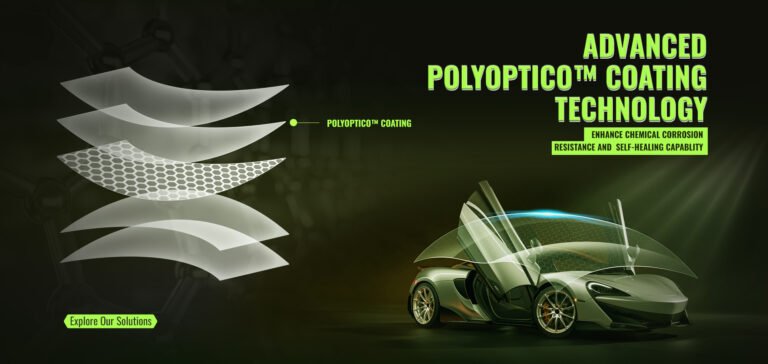
In today’s rapidly evolving industrial landscape, coating technology plays a critical role in ensuring durability, protection, and performance across a wide range of materials. From automotive parts to architectural glass and industrial equipment, advanced coatings are essential for maintaining structural integrity and visual appeal. Companies like Nike-Tech are at the forefront of this innovation, delivering cutting-edge solutions that meet the growing demands of modern industries.
The Importance of Industrial Coatings
Industrial coatings are not just about aesthetics—they serve as a protective barrier against environmental damage, corrosion, and wear. Without proper coatings, materials such as metal, glass, and plastic can degrade quickly when exposed to moisture, UV radiation, or chemicals.
Modern coatings are designed to:
- Extend the lifespan of materials
- Improve resistance to harsh conditions
- Enhance visual appearance
- Reduce maintenance costs
With industries becoming more performance-driven, the need for reliable and high-quality coatings has never been greater.
Evolution of Coating Technologies
Over the years, coating technology has evolved significantly. Traditional solvent-based coatings have gradually been replaced by environmentally friendly alternatives such as water-based systems and low-VOC formulations.
Innovations include:
- UV-resistant coatings
- Thermoplastic and thermosetting coatings
- Water-based polymer coatings
- Eco-friendly formulations
These advancements ensure that coatings not only perform better but also comply with environmental regulations.
Liquid Laminate Coatings: A Game Changer
One of the most innovative developments in recent years is liquid laminate coatings. These coatings provide a protective layer over printed surfaces, improving durability and resistance to UV damage.
For example, advanced solutions like those offered by Nike-Tech use water-based polymer chemistry to deliver long-lasting performance. These coatings are specifically designed to:
- Protect UV inks and substrates
- Prevent yellowing over time
- Offer excellent adhesion to multiple surfaces
- Reduce environmental impact
This makes them ideal for applications such as signage, graphics, and industrial labeling.
Mirror Backing Coatings and Their Applications
Mirror backing coatings are another critical innovation in the coating industry. These coatings are applied to the back of mirrors to protect the reflective layer and improve durability.
Key types include:
- Lead-free and ultra-low lead coatings
- Vacuum metalized coatings
- Solar mirror coatings
These coatings are widely used in:
- Architectural glass
- Solar panels
- Automotive mirrors
- Interior design applications
High-quality mirror backing solutions ensure that mirrors maintain their clarity and strength even in challenging environments.
Role of R&D in Coating Innovation
Research and development (R&D) is the backbone of modern coating technology. Companies invest heavily in laboratory testing and product development to create solutions that meet specific industry requirements.
Key aspects of R&D include:
- Testing raw materials for quality
- Developing custom formulations
- Improving existing products
- Ensuring compliance with global standards
Organizations like Nike-Tech offer dedicated lab services to analyze and enhance coating performance, ensuring consistent quality and innovation.
Custom Manufacturing and Toll Blending
Another important aspect of the coatings industry is custom manufacturing. Many businesses require specialized formulations tailored to their unique needs.
Toll blending services allow companies to:
- Provide their own formulas
- Use specialized manufacturing facilities
- Reduce production costs
- Maintain product confidentiality
This approach enables businesses to focus on product development while relying on expert manufacturers for production.
Environmental Sustainability in Coatings
Sustainability has become a major focus in the coatings industry. Traditional coatings often contained harmful chemicals that contributed to environmental pollution.
Modern solutions aim to:
- Reduce volatile organic compounds (VOCs)
- Use water-based formulations
- Minimize environmental impact
- Ensure worker safety
Eco-friendly coatings are now widely preferred across industries, making sustainability a key driver of innovation.
Industrial Applications of Advanced Coatings
Advanced coatings are used in a variety of industries, including:
1. Automotive Industry
Protects vehicles from corrosion and environmental damage.
2. Construction Industry
Enhances durability of buildings, glass, and infrastructure.
3. Electronics Industry
Provides insulation and protection for sensitive components.
4. Solar Energy Sector
Improves efficiency and lifespan of solar panels.
5. Printing and Graphics
Ensures long-lasting and vibrant prints.
These applications highlight the versatility and importance of modern coating solutions.
Choosing the Right Coating Partner
Selecting the right coating provider is crucial for achieving optimal results. Businesses should consider:
- Experience and expertise
- Product quality
- Customization capabilities
- Environmental compliance
- Technical support
Working with an established provider like Nike-Tech ensures access to advanced technology and reliable solutions.
Future of Coating Technology
The future of coating technology is driven by innovation and sustainability. Emerging trends include:
- Smart coatings with self-healing properties
- Nanotechnology-based coatings
- Energy-efficient coatings
- Digital coating solutions
As industries continue to evolve, coatings will play an even more critical role in improving performance and sustainability.
Conclusion
Industrial coating technology is an essential component of modern manufacturing and infrastructure. From protecting materials to enhancing performance, coatings have become indispensable across multiple industries.
With continuous advancements in technology and a strong focus on sustainability, companies like Nike-Tech are leading the way in delivering innovative solutions. By investing in high-quality coatings, businesses can ensure long-term durability, improved efficiency, and reduced environmental impact.
