


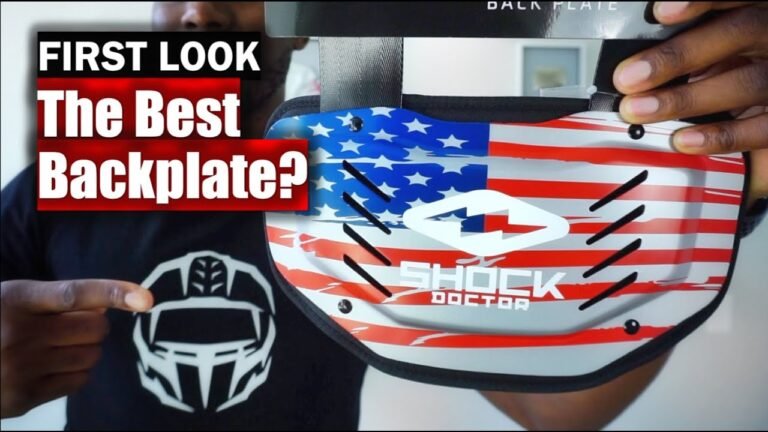
In American football, every piece of equipment plays an important role in keeping players safe while helping them perform at their best. One item that has grown rapidly in popularity over the years is the football backplate. Once considered an optional add-on, the backplate is now commonly worn by players at youth, high school, college, and professional levels. It offers added protection to a vulnerable area of the body while also giving players a chance to express their personality on the field.
This full guide explains what a football backplate is, why players wear it, the different types available, how to choose the right one, and answers the most common questions players and parents have.
What Is a Football Backplate?
A football backplate is a protective pad that attaches to the back of a player’s shoulder pads and hangs over the lower back. Its main purpose is to protect the lower spine, tailbone, and kidney area from hard impacts. Most backplates are made from a tough plastic shell with foam padding on the inside to absorb shock.
Backplates come in different sizes, shapes, and designs, and they are secured to shoulder pads using straps, screws, or clips, depending on the model and pad compatibility.
Why Football Players Wear Backplates
Football is a physical sport with frequent collisions from all directions. While shoulder pads protect the upper body, the lower back can still be exposed. A football backplate adds an extra layer of safety and confidence.
Protection Against Hard Hits
Players are often tackled from behind or fall backward after contact. The backplate helps absorb impact and reduces direct force to the lower back.
Kidney and Spine Safety
Hits to the kidney area can be dangerous. Backplates provide coverage that helps shield these sensitive organs.
Improved Confidence
When players feel protected, they tend to play more aggressively and confidently, knowing their body is better supported.
Style and Personal Expression
Modern backplates often feature bold graphics, team colors, numbers, or custom artwork. Many players see them as part of their on-field identity.
Types of Football Backplates
There are several types of football backplates available to suit different ages, positions, and preferences.
Standard Backplates
These are flat or slightly curved plates that offer solid protection and are widely used at all levels of play.
Curved or Ergonomic Backplates
Designed to follow the natural shape of the lower back, these provide better comfort and less movement restriction.
Custom Graphic Backplates
These allow players to showcase custom designs, logos, slogans, or motivational phrases while still offering protection.
Youth and Adult Backplates
Youth backplates are smaller and lighter for younger players, while adult backplates offer wider coverage and stronger materials.
How to Choose the Right Football Backplate
Choosing the right football backplate depends on several important factors.
Shoulder Pad Compatibility
Not all shoulder pads support backplates. Make sure your shoulder pads have attachment points or are designed to work with backplates.
Correct Size and Fit
A good backplate should cover the lower back without digging into the hips or limiting movement. Proper fit is key to comfort and effectiveness.
Material and Padding
Look for durable plastic shells with high-quality foam padding to ensure good impact absorption.
Player Position
Skill position players often prefer lighter backplates for speed and flexibility, while linemen may choose heavier options for maximum protection.
Design Preference
While safety is the main goal, choosing a design you like can boost confidence and motivation on the field.
Are Football Backplates Required?
In most football leagues, backplates are not mandatory, but they are strongly recommended. Some youth leagues and school programs encourage their use to reduce injury risk. Even at higher levels where they are optional, many players choose to wear them for added protection and peace of mind.
How to Care for a Football Backplate
Proper care helps your backplate last longer and perform better:
- Clean it regularly with a damp cloth
- Allow it to air dry after practices and games
- Inspect straps, screws, and clips for wear
- Replace the backplate if it becomes cracked or padding wears down
Good maintenance ensures reliable protection throughout the season.
Frequently Asked Questions (FAQs)
What does a football backplate protect?
A football backplate protects the lower back, tailbone, spine, and kidney area from hard impacts and falls.
Do football backplates restrict movement?
When properly fitted, modern backplates are designed to move naturally with the player and should not limit mobility.
Are football backplates good for youth players?
Yes, backplates are commonly used in youth football and can provide important protection during early physical development.
Which positions benefit most from backplates?
Running backs, quarterbacks, linebackers, and defensive backs wear backplates most often, but any position can benefit from added protection.
Can a backplate prevent injuries?
No equipment can prevent all injuries, but a football backplate can help reduce the risk and severity of lower back and kidney injuries.
How is a football backplate attached?
Backplates attach to shoulder pads using straps, screws, or clips, depending on the design and brand.
Can football backplates be customized?
Yes, many companies offer custom backplates with personalized designs, numbers, logos, and colors.
Final Thoughts
A football backplate is a valuable piece of protective equipment that combines safety, comfort, and style. Whether you are a young athlete learning the game or an experienced player competing at a high level, wearing a backplate can provide extra protection where it matters most. By choosing the right size, fit, and design, players can stay safer, feel more confident, and perform at their best every time they step onto the field.
