


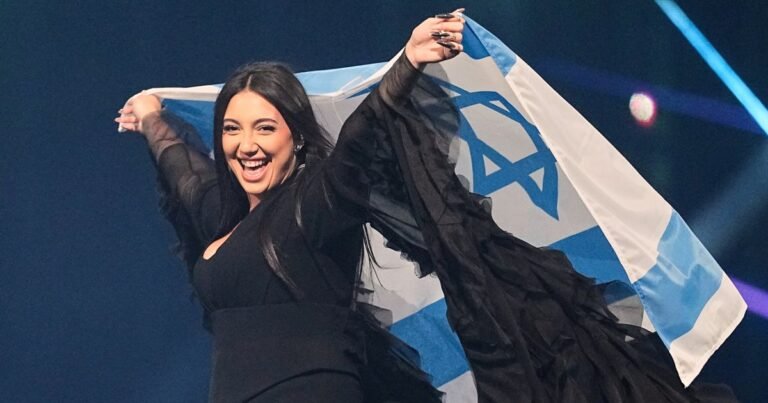
The Eurovision Song Contest is one of the most spectacular and widely watched music events on the planet. Founded in 1956, it began as a simple idea—to unite European nations through a shared love of music. Today, it has grown into a global cultural phenomenon, drawing hundreds of millions of viewers each year and inspiring passionate fan communities around the world.
A Unique Blend of Music, Culture, and Showmanship
Eurovision is unlike any other contest. Each participating country submits one original song and selects a performer or group to represent them. The performances range from heartfelt ballads to wild, theatrical productions complete with extravagant costumes, elaborate staging, and everything in between. This diversity is part of what makes the show unforgettable. You might see a soaring operatic performance followed by an electronic dance track, then a comedic folk-inspired act—sometimes all within the same hour.
Voting: A Mix of Jury and Public Opinion
After all songs are performed, each country awards points to their favorites. Votes are split between a national jury of music professionals and the public televote. This often leads to dramatic finales, where rankings can shift wildly in the last moments. The scoring system creates suspense that keeps viewers glued to their screens every year.
A Platform for New Stars
Eurovision has helped launch the careers of several major international artists. ABBA, the Swedish group that later became one of the best-selling acts in music history, won with “Waterloo” in 1974. Céline Dion represented Switzerland and won in 1988 before becoming a worldwide superstar. Many contestants use Eurovision as a springboard to global recognition, even if they don’t win.
A Celebration of Diversity and Inclusion
One of the most beloved aspects of Eurovision is its celebration of diversity. The contest embraces different languages, cultures, and musical styles. It is known for being an inclusive, welcoming space for fans and performers alike, especially within LGBTQ+ communities. With themes of unity, acceptance, and self-expression woven through its history, Eurovision often champions messages that resonate far beyond the stage.
Memorable Moments That Define Eurovision
Eurovision is packed with moments that become part of pop-culture history. From dramatic costume reveals to unexpected winners, viral dance routines, and emotional ballads, the contest creates memories that fans love to revisit. Performances like Finland’s Lordi in monster costumes (who won in 2006) or Ukraine’s Kalush Orchestra blending rap with traditional sounds in 2022 show how unpredictable and creative Eurovision can be.
A Global Impact Beyond Europe
Although the contest began in Europe, its reach now extends far beyond the continent. Countries like Australia participate because of their large and dedicated fanbase. Millions from all over the world tune in, making Eurovision a global celebration of music.
Why Eurovision Continues to Thrive
Eurovision succeeds because it offers something for everyone—music lovers, cultural enthusiasts, humor seekers, and fans of dramatic live entertainment. The show brings nations together in a positive, creative environment, offering a refreshing reminder of unity through art. As it evolves with new technology, staging, and musical trends, Eurovision continues to attract new generations of fans.
Frequently Asked Questions About Eurovision
1. What is the Eurovision Song Contest?
Eurovision is an annual international music competition in which participating countries submit an original song performed live on stage. Countries vote for each other’s entries to determine a winner.
2. Who can participate in Eurovision?
Any active member of the European Broadcasting Union (EBU) may take part. While most participants are European countries, others—like Australia—are included due to EBU membership and audience interest.
3. How is the winner decided?
Each country awards points based on a national jury and public televote. The combined totals determine the final ranking and the winner.
4. Do performers have to sing in their country’s language?
No. Although some artists choose to perform in their national language, many sing in English to reach a wider audience. The choice is up to each country.
5. What kind of music is allowed?
Almost any genre is welcome—pop, rock, folk, jazz, opera, electronic, and more. The main rules are: the song must be original, shorter than three minutes, and performed live.
6. Has Eurovision ever produced famous artists?
Yes. ABBA and Céline Dion are the most famous Eurovision alumni, but many other artists have built strong careers after participating.
7. Why is Eurovision so popular?
Its mix of creativity, cultural diversity, elaborate staging, and unpredictable voting makes it thrilling entertainment. It also promotes unity and celebrates differences, which resonates with global audiences.
8. Can viewers outside Europe watch Eurovision?
Yes. The contest is broadcast internationally and is available through various streaming platforms depending on your region.
