


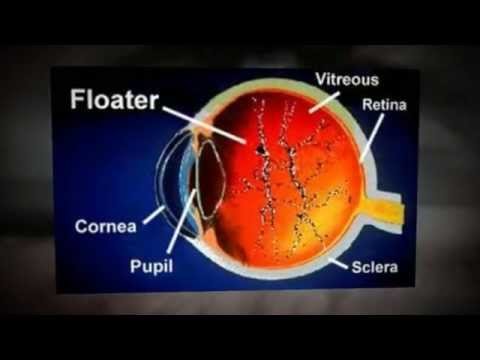
Noticing black spots in your vision can be unsettling, especially when they appear suddenly or seem to drift across your field of view. These spots can show up as dots, cobweb-like strands, shadowy blobs, or tiny specks that move when your eyes move. Sometimes they fade within seconds, and other times they linger for days, months, or even years. While many cases are harmless, certain symptoms can signal something more serious happening inside the eye. Understanding what these spots are—and when to take them seriously—can help protect your vision in the long run.
Why Black Spots Appear
The most common cause of black spots is something called eye floaters. Inside your eye is a gel-like substance called the vitreous. As you age, this gel becomes thinner and more liquid. Small fibers inside the vitreous can clump together and cast shadows on the retina, creating the appearance of spots drifting in your vision. This process often starts around age 40 and becomes more common as the years go on.
Beyond normal aging, floaters can also be more common in people who are nearsighted, have had eye injuries, or have undergone certain eye surgeries. Although they can be annoying, most floaters are harmless. However, they can become more noticeable in bright environments, such as looking at a white wall or the sky.
When Black Spots Signal Something More Serious
While floaters are the most common explanation, not all black spots should be ignored. In some cases, they can indicate a more serious issue that needs prompt attention.
Posterior Vitreous Detachment (PVD)
One of the more dramatic but still common causes is posterior vitreous detachment, often occurring naturally with age. As the vitreous pulls away from the retina, you might suddenly see new floaters or flashes of light. While PVD itself isn’t harmful, the tugging motion can sometimes create a tear in the retina.
Retinal Tear or Detachment
A retinal tear is an emergency. If a tear forms and fluid seeps behind the retina, it can lead to retinal detachment, which can cause permanent vision loss if not treated quickly. Warning signs include a sudden shower of new black spots, bright flashes of light, or a dark curtain moving across your vision. Anyone who experiences these symptoms should see an eye specialist immediately.
Eye Inflammation (Uveitis)
Inflammation inside the eye—known as uveitis—can also cause black spots. In this case, the spots are caused by inflammatory cells floating within the vitreous. People with uveitis may experience eye pain, redness, light sensitivity, or blurry vision. Uveitis can be linked to autoimmune conditions, infections, or trauma.
Diabetic Retinopathy
People with diabetes are at risk of diabetic retinopathy, a condition where damaged blood vessels leak into the eye. This bleeding can create dark spots or floaters. Over time, diabetic retinopathy can seriously harm vision, so regular eye checkups are essential for anyone managing diabetes.
Migraine With Aura
For some people, black spots or blind spots appear before a migraine headache. These visual disturbances can include shimmering lights, zigzag lines, or temporary dark patches in vision. Migraine-related spots usually last between 15 and 60 minutes and then fade.
How Black Spots Are Diagnosed
When you visit an eye doctor, they’ll likely begin with a dilated eye exam to get a clear view of your retina. This allows them to see whether the vitreous is pulling on the retina or if any tears are present. In cases where the view is obstructed—such as bleeding in the eye—an ultrasound may be used. Sometimes, OCT imaging helps identify subtle changes in the retina.
Getting an accurate diagnosis is essential because not all black spots require treatment, but some absolutely do.
Treatment Options Depending on the Cause
Normal Floaters
Most floaters don’t need treatment. Over time, many become less noticeable as the brain learns to ignore them. If floaters are bothersome, wearing sunglasses outdoors or avoiding bright, blank backgrounds can help reduce irritation.
Floaters That Interfere with Daily Life
In rare cases, floaters become so dense or distracting that they interfere with reading, driving, or work. In these situations, two treatments may be considered:
- Laser vitreolysis, which breaks floaters into smaller pieces
- Vitrectomy, a surgical removal of the vitreous gel
These treatments aren’t for mild cases, but they can help people whose floaters significantly disrupt their vision.
Retinal Tears or Detachment
If a retinal tear is found early, a doctor may use laser treatment or freezing therapy to seal the tear and prevent detachment. If detachment has already occurred, surgery—such as vitrectomy or scleral buckle—is needed urgently.
Inflammation or Infection
For cases involving inflammation, treatment may involve steroid eye drops, injections, or medications. If an infection is present, antibiotics or antiviral medications are used.
Diabetic Retinopathy
Treatments include laser therapy, injections to reduce swelling and new blood vessel growth, and sometimes surgery to remove blood from the vitreous.
When to Seek Immediate Medical Help
You should get urgent medical attention if you notice:
- A sudden burst of many black spots
- Flashes of light
- A curtain or shadow over part of your vision
- Sudden blurry or distorted vision
- Eye pain or redness
Even if your symptoms seem mild, it’s never a bad idea to get an eye exam—especially if you’ve never had floaters before.
FAQs About Black Spots in Vision
1. Are black spots always dangerous?
No. Most are harmless floaters, but sudden changes can be serious.
2. Can black spots go away on their own?
They often fade or become less noticeable over time.
3. Do eye exercises help eliminate floaters?
No. Exercises cannot remove floaters.
4. Can stress create black spots?
Stress doesn’t cause floaters but can trigger migraines with visual symptoms.
5. When should I worry?
Seek help if you see flashing lights, a sudden increase in spots, or a dark curtain in your vision.
