


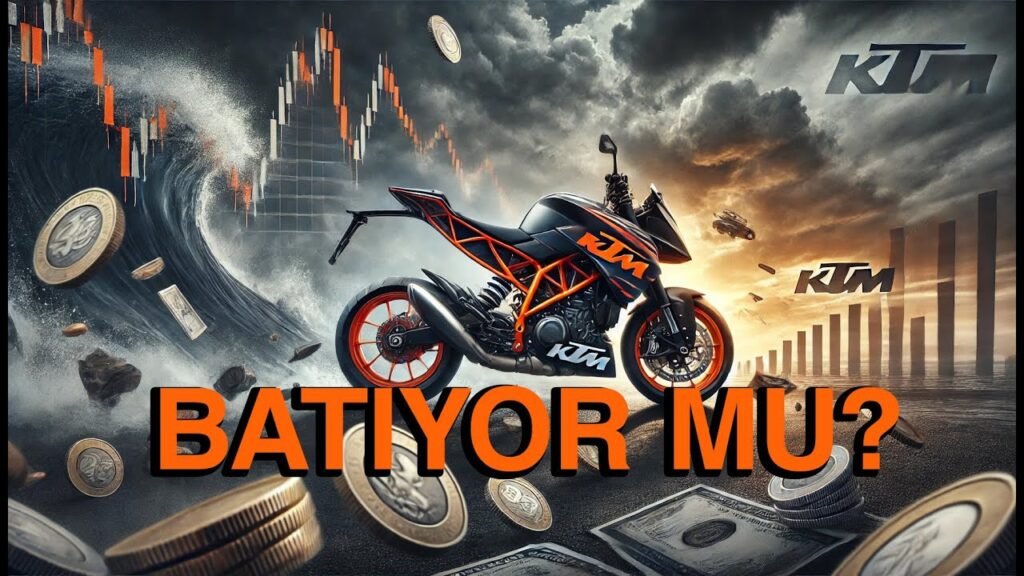
In recent months, rumors have circulated about KTM, the Austrian motorcycle manufacturer, possibly going out of business. For many riders and motorcycle enthusiasts, this news was alarming. KTM has been a staple in the motorcycle world for decades, known for its off-road bikes, superbikes, and innovations in motocross. But are these rumors true? Let’s take a detailed look at what really happened and what it means for KTM’s future.
What Happened to KTM?
In late 2024, KTM faced a significant financial crisis. The company entered a 90-day self-administration process, which is Austria’s version of bankruptcy protection. This allowed KTM to temporarily halt repayments to creditors while it worked on a plan to restructure its debt. The company reportedly owed around €2.5 billion across three subsidiaries, which put it under enormous pressure to find a solution quickly.
The financial difficulties were caused by multiple factors:
- Overproduction and Inventory Problems: KTM produced more bikes than it could sell, leaving unsold stock that was costly to store. Some of these bikes also did not meet the latest European emissions regulations, making them harder to sell.
- Supply Chain Disruptions: After the self-administration, KTM restarted production but soon faced shortages of key components. Suppliers were cautious about providing materials because of the uncertainty surrounding KTM’s ability to pay.
- Rising Costs: Operating factories in Europe is expensive. Labor, energy, and production costs combined with an oversized debt load created a significant financial strain on the company.
How KTM Survived the Crisis
Despite the alarming headlines, KTM is not going out of business. The company has taken several steps to stabilize its operations:
- Restructuring Plan Approved: Creditors agreed to a restructuring plan that allows KTM to pay only 30% of its debt, meaning a 70% debt forgiveness. This has provided much-needed financial breathing room.
- Bajaj Auto Investment: Indian motorcycle manufacturer Bajaj Auto, which has been a longtime partner of KTM, invested approximately €800 million to help the company survive. This investment not only secured immediate funding but also gave KTM access to Bajaj’s expertise in cost-efficient production.
- Restarting Production: KTM’s Austrian plant resumed production in March 2025. Although production faced temporary halts due to supply shortages, by July 2025, all major production lines were back in operation.
- Long-Term Cost Reduction: Part of the recovery plan involves cutting costs, which could include moving some production to India, where manufacturing expenses are significantly lower.
Through these measures, KTM has managed to stabilize its finances and secure a future, albeit one that is leaner and more focused.
What This Means for KTM’s Future
KTM’s survival is a relief for motorcycle enthusiasts, dealers, and employees. However, the company is entering a new phase that requires careful management. Here’s what to expect:
- Focused Operations: KTM will concentrate on its core motorcycle business and avoid diversifying into non-essential ventures.
- Financial Discipline: The company must stick to strict financial targets to avoid another crisis.
- Global Production Strategy: By potentially shifting some production to India and optimizing European operations, KTM aims to reduce costs and become more competitive.
- Innovation and Product Development: Despite financial pressures, KTM will continue developing high-performance motorcycles, electric vehicles, and motocross models, which remain the brand’s identity.
Overall, KTM is not disappearing; it is reinventing itself to be more resilient in a challenging market.
FAQs About KTM’s Financial Situation
Q: Did KTM go bankrupt?
A: No. KTM entered a self-administration process in Austria, which is similar to restructuring. The company has not filed for liquidation and continues to operate.
Q: Who saved KTM financially?
A: Bajaj Auto, an Indian motorcycle manufacturer and long-time KTM partner, invested roughly €800 million to help stabilize the company.
Q: Is KTM still producing motorcycles?
A: Yes. Production has resumed in Austria and is gradually returning to normal after temporary halts due to supply chain issues.
Q: Will KTM move production to India?
A: There are discussions about shifting some production to India to cut costs. This does not mean KTM will abandon European factories, but it may reduce the reliance on higher-cost production facilities.
Q: Is KTM’s future secure now?
A: KTM is more stable than during its crisis. However, success depends on strict financial management, cost reduction, and strong sales performance. The company has a chance to thrive but must execute its turnaround plan carefully.
Q: What does this mean for KTM motorcycles’ availability?
A: Customers can still buy KTM motorcycles worldwide. Short-term supply might be affected by production pauses, but the company is actively working to normalize inventory levels.
Bottom Line
KTM is not going out of business, despite the severe financial challenges it faced in 2024–2025. Through strategic restructuring, debt forgiveness, and investment from Bajaj Auto, KTM has managed to survive a crisis that could have ended its operations. However, the company is entering a more disciplined, cost-conscious phase of its life. The next 12–24 months will be crucial for KTM to prove that it can maintain financial stability while continuing to produce the high-performance motorcycles it is famous for.
For riders and enthusiasts, this means KTM will continue to innovate and produce exciting motorcycles, though in a leaner and more focused way. The company’s survival demonstrates that even in the face of serious financial difficulties, strategic partnerships and careful management can save a legacy brand.
