


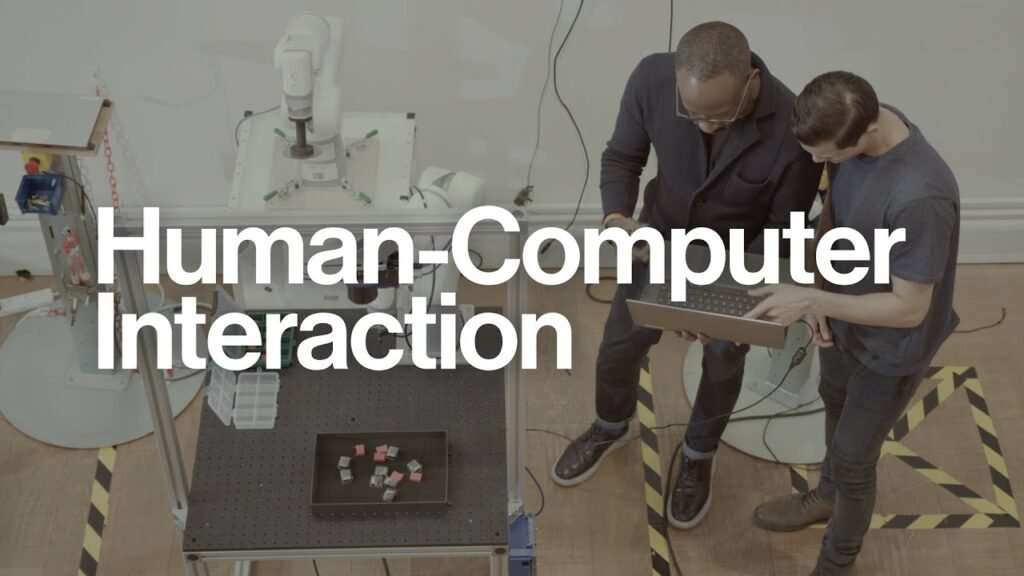
Human-Computer Interaction (HCI) refers to the study and practice of how humans interact with computers and other digital devices. As technology evolves rapidly, HCI continues to transform, influencing the way we communicate, work, learn, and even think. From the early days of command-line interfaces to the rise of artificial intelligence and virtual reality, new technologies have consistently reshaped how humans engage with machines.
Evolution of Human-Computer Interaction
In the early days, HCI was primarily about usability—ensuring users could operate computers efficiently. Interfaces were text-based, requiring users to memorize commands. As graphical user interfaces (GUIs) emerged, computing became more intuitive. Users could interact visually, reducing cognitive load and making technology accessible to non-experts.
The last decade, however, has introduced more profound changes. Touchscreens, voice assistants, gesture recognition, and immersive technologies like virtual and augmented reality have redefined interaction paradigms. No longer confined to keyboards and mice, users can now engage with computers in ways that feel natural and human-like.
Key Technologies Transforming HCI
- Artificial Intelligence (AI) and Machine Learning
AI enables computers to understand, predict, and adapt to user behaviors. Intelligent assistants like Siri, Alexa, and Google Assistant demonstrate AI’s potential in HCI, allowing users to interact with devices using natural language. AI-powered recommendation systems also anticipate user needs, enhancing personalization and user satisfaction. - Augmented Reality (AR) and Virtual Reality (VR)
AR overlays digital information onto the physical world, while VR immerses users in entirely virtual environments. These technologies have transformed fields like gaming, education, healthcare, and architecture. For instance, VR simulations can train surgeons without real-world risks, while AR apps help customers visualize furniture in their homes before purchasing. - Wearable Technology
Wearables, such as smartwatches and fitness trackers, expand HCI beyond traditional screens. They collect real-time data and offer instant feedback, promoting health monitoring and lifestyle improvements. Gesture-based controls in wearables also enhance interaction possibilities. - Brain-Computer Interfaces (BCI)
Although still emerging, BCIs allow direct communication between the brain and computers. This technology could revolutionize accessibility, enabling individuals with physical disabilities to control devices using thoughts alone. It represents a future where human cognition directly interacts with machines.
Benefits of Advancing HCI
The integration of new technology in HCI offers numerous advantages:
- Enhanced Accessibility: Voice commands, predictive text, and adaptive interfaces make technology usable for individuals with disabilities.
- Increased Efficiency: AI and automation reduce repetitive tasks, allowing humans to focus on creative and strategic activities.
- Improved User Experience: Personalized interfaces create more engaging and satisfying interactions.
- Immersive Learning and Training: VR and AR provide safe, realistic training environments for complex tasks.
Challenges and Considerations
Despite its benefits, evolving HCI also presents challenges:
- Privacy Concerns: Devices collecting user data, like wearables and AI assistants, raise privacy and security issues.
- Learning Curve: Rapid technological changes may overwhelm some users, especially older adults or those with limited digital literacy.
- Dependence on Technology: Increased reliance on intelligent systems may reduce human problem-solving skills over time.
- Ethical Issues: AI decisions can inadvertently perpetuate biases if not carefully designed and monitored.
The Future of HCI
The future of HCI is likely to be more immersive, intuitive, and adaptive. Technologies like BCIs and AI-driven predictive interfaces will create a seamless integration between humans and machines. Interfaces may become almost invisible, with interactions embedded naturally in everyday activities. Additionally, the focus will increasingly shift toward inclusivity, ensuring that technological advancements benefit all users regardless of age, ability, or cultural background.
FAQs on How New Technology Impacts Human-Computer Interaction
Q1: What is human-computer interaction?
A: Human-computer interaction (HCI) is the study of how people interact with computers and digital devices. It focuses on designing interfaces that are user-friendly, efficient, and accessible.
Q2: How does AI impact HCI?
A: AI enhances HCI by enabling natural language processing, personalization, and predictive behaviors. It allows devices to understand user intent, provide recommendations, and automate tasks, creating a more intuitive user experience.
Q3: What role do AR and VR play in HCI?
A: AR and VR transform interaction by creating immersive experiences. AR overlays information onto the real world, while VR provides fully virtual environments, useful in gaming, training, education, and healthcare.
Q4: Are there risks associated with new HCI technologies?
A: Yes. Risks include privacy and security concerns, potential overreliance on technology, ethical issues, and a steep learning curve for some users.
Q5: What does the future hold for human-computer interaction?
A: The future points toward more seamless and immersive interfaces, AI-driven personalization, and inclusive designs. Technologies like brain-computer interfaces may allow direct cognitive interaction with devices.
Q6: How do wearable technologies affect HCI?
A: Wearables extend interaction beyond screens, offering real-time feedback, health monitoring, and gesture-based controls. They allow more personalized and context-aware experiences.
Conclusion
New technologies are reshaping human-computer interaction, making it more natural, immersive, and intelligent. While challenges like privacy and accessibility remain, the benefits of improved efficiency, personalization, and inclusivity are undeniable. As HCI continues to evolve, it promises a future where human and machine collaboration becomes seamless, intuitive, and profoundly transformative.
