


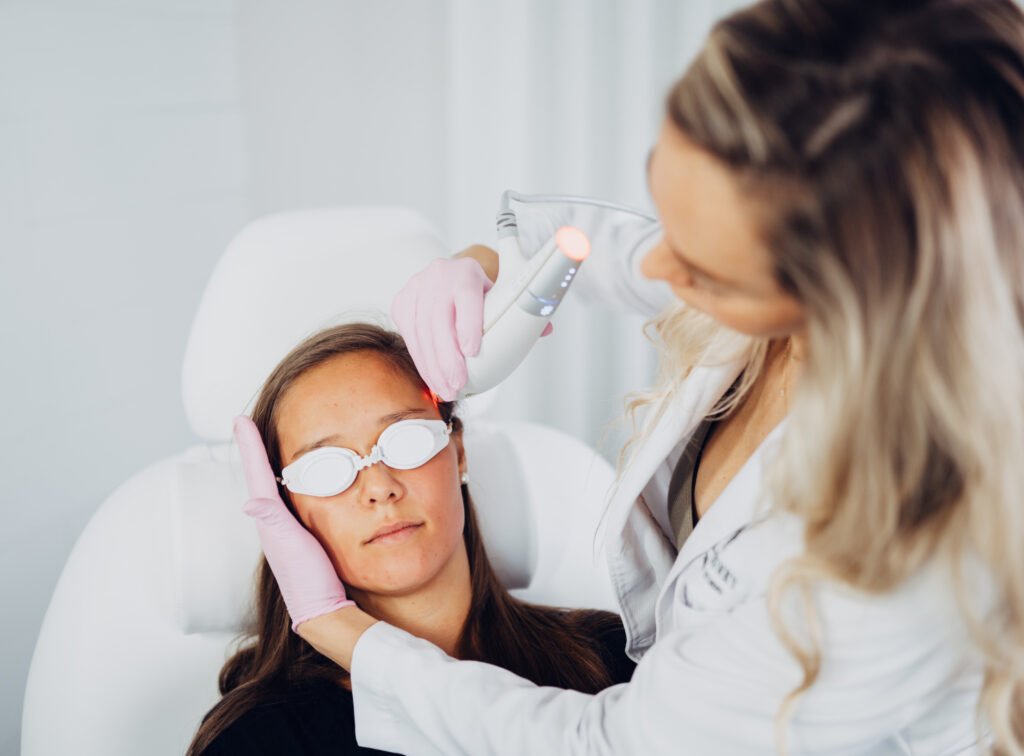
The term Ultra Clear Laser has been gaining attention in recent years, especially in skincare, cosmetic treatments, and medical procedures. Promoted for its precision and minimal side effects, this technology is revolutionizing the way people approach treatments ranging from tattoo removal to skin rejuvenation. But what exactly is an ultra clear laser, how does it work, and is it suitable for everyone? Let’s dive in.
What is an Ultra Clear Laser?
An Ultra Clear Laser is a type of advanced laser technology designed to deliver highly focused energy to a targeted area with minimal impact on surrounding tissues. Unlike traditional lasers that may cause more discomfort, swelling, or longer recovery times, ultra clear lasers are engineered for precision, clarity, and safety.
These lasers are commonly used in:
- Dermatology for acne scars, pigmentation, and skin resurfacing.
- Cosmetic procedures like tattoo removal, hair removal, and wrinkle reduction.
- Medical treatments including eye surgeries and certain dental procedures.
The “ultra clear” terminology often highlights the laser’s ability to provide precise results without leaving residual damage or discoloration, making it especially appealing for cosmetic and delicate treatments.
How Does Ultra Clear Laser Work?
The technology behind ultra clear lasers relies on targeted light energy. The laser emits a beam of a specific wavelength that penetrates the skin or targeted area. The energy is absorbed by specific cells or pigments, breaking them down or stimulating natural regeneration processes.
For example:
- In tattoo removal, the laser targets ink particles, breaking them into tiny fragments that the body gradually eliminates.
- For skin rejuvenation, the laser stimulates collagen production, improving elasticity and reducing fine lines.
- In hair removal, it targets the pigment in hair follicles, inhibiting future growth.
The precision of ultra clear lasers ensures fewer sessions, minimal discomfort, and faster recovery compared to older laser technologies.
Benefits of Ultra Clear Laser Treatments
The popularity of ultra clear lasers comes from the wide range of benefits they offer:
- Precision Targeting – Only the intended area is affected, minimizing damage to surrounding tissues.
- Faster Recovery – Reduced trauma to skin and tissues means quicker healing.
- Minimal Discomfort – Many treatments require little to no anesthesia.
- Versatility – Can be used for skin, hair, tattoos, and medical purposes.
- Long-Lasting Results – Stimulates natural regeneration or permanently removes unwanted pigmentation or hair.
Potential Risks and Considerations
While ultra clear lasers are generally safe, some factors should be considered:
- Skin Sensitivity: People with darker skin tones may experience temporary pigmentation changes.
- Sun Exposure: Post-treatment, the skin may be more sensitive to sunlight.
- Multiple Sessions: Some procedures require several sessions for optimal results.
- Professional Expertise: Always ensure the procedure is performed by a trained professional to minimize risks.
Ultra Clear Laser vs Traditional Lasers
Unlike traditional lasers, ultra clear lasers are designed for high precision with reduced side effects. Traditional lasers often affect surrounding tissues, which can lead to longer healing times, scarring, or uneven results. Ultra clear lasers also allow practitioners to customize wavelength, pulse duration, and intensity according to the patient’s needs, enhancing safety and effectiveness.
Who is an Ideal Candidate?
Ultra clear laser treatments are suitable for most individuals seeking cosmetic or medical improvements. Ideal candidates are:
- Those looking for non-invasive or minimally invasive options.
- Individuals with specific skin concerns like pigmentation, acne scars, or fine lines.
- People seeking tattoo removal or hair reduction with minimal downtime.
However, individuals with certain medical conditions, pregnancy, or very sensitive skin should consult a professional before treatment.
FAQs About Ultra Clear Laser
1. Is Ultra Clear Laser safe?
Yes, when performed by trained professionals, ultra clear lasers are safe. Side effects are minimal and usually limited to temporary redness or swelling.
2. How many sessions are needed?
The number of sessions depends on the treatment type and area. Skin rejuvenation may require 3–6 sessions, while tattoo removal or hair reduction may need more.
3. Does it hurt?
Most people experience mild discomfort similar to a light pinprick or warmth. Some treatments may use cooling systems or topical anesthetics.
4. How long is the recovery period?
Recovery is generally fast. For skin treatments, redness or mild swelling may last 1–3 days. More intensive procedures may take up to a week.
5. Are results permanent?
For hair removal and tattoo removal, results are generally long-lasting. For skin rejuvenation, results improve over time and may require maintenance sessions.
6. Can it be used on all skin types?
Ultra clear lasers are suitable for most skin types, but people with darker skin should consult with a professional to reduce the risk of pigmentation changes.
7. How much does a session cost?
Costs vary depending on the procedure, area, and clinic. It’s best to schedule a consultation to get an accurate estimate.
Conclusion
The Ultra Clear Laser represents a leap forward in laser technology, offering precise, effective, and safer solutions for a variety of cosmetic and medical needs. Its ability to target specific areas while minimizing side effects has made it a preferred choice for skin rejuvenation, tattoo removal, hair reduction, and more.
While results can be impressive, professional guidance is key. Consulting a certified practitioner ensures the treatment is tailored to your skin type, medical history, and desired outcomes. With proper care, ultra clear lasers can deliver remarkable, long-lasting results with minimal downtime, making them an appealing option for anyone seeking modern, non-invasive solutions.
