


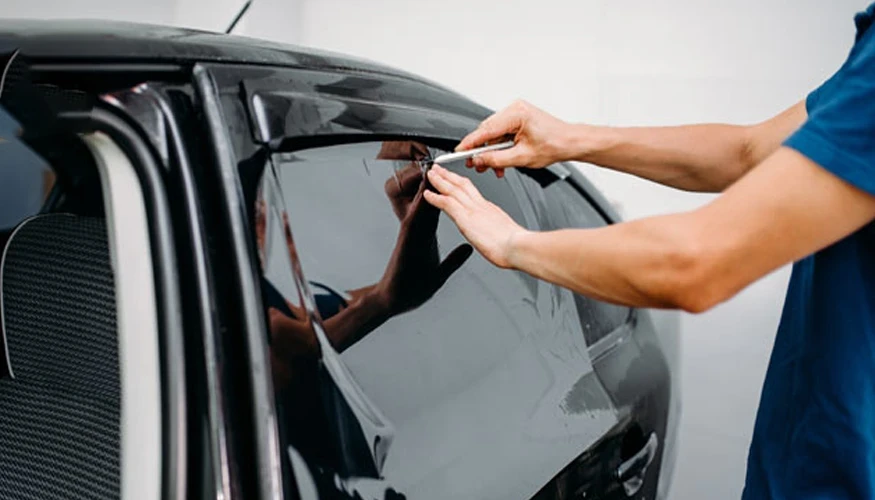
Auto window tint can fade, bubble, or simply become outdated over time. Whether you want to replace it with a new film or return to untinted glass, removing window tint is a job that requires patience and the right approach. If done improperly, you could damage your defroster lines or leave behind a sticky mess. Here’s a clear, step-by-step guide on how to remove auto window tint at home—along with some frequently asked questions.
What You’ll Need
Before you begin, gather these supplies:
- A hairdryer or heat gun
- Razor blade or utility knife
- Spray bottle with soapy water or ammonia
- Garbage bags (black is best)
- Paper towels or a microfiber cloth
- Glass cleaner
- Optional: steamer
Method 1: Heat and Peel (Most Common)
This method is ideal for older tint or when the glue has dried out.
Step 1: Soften the Tint
Use a hairdryer or heat gun on a low to medium setting. Hold it a few inches from the corner of the window and heat the tint for about 30 seconds.
Step 2: Start Peeling
Once the corner is warm, gently lift it with your fingernail or a razor blade. Grab the edge and slowly peel the tint away. Keep the heat going as you peel to prevent the film from tearing.
Step 3: Remove Residue
Spray the glass with soapy water or ammonia to loosen the adhesive residue. Use a razor blade to scrape off the glue, wiping with a cloth as you go.
Step 4: Clean the Window
Finish by wiping the glass with a quality glass cleaner for a streak-free finish.
Method 2: Garbage Bag and Sun (Great for Hot Climates)
This trick uses solar heat and ammonia to lift the tint more easily.
Step 1: Cut and Apply Bags
Cut two pieces of black trash bag to match the inside and outside of the window. Spray soapy water on the outside of the window and press one bag onto it.
Step 2: Apply Ammonia
On the inside, spray ammonia heavily over the tint. Immediately cover with the second bag to trap the fumes.
Tip: Do this outside on a sunny day and wear a mask—the fumes are strong.
Step 3: Let It Sit
Leave the bags on for about 20–30 minutes. The sun will heat the window, and the ammonia will soften the glue.
Step 4: Peel Off Tint
Peel the tint as you would in Method 1. It should come off more easily with less residue.
Method 3: Use a Steamer (Fast and Less Messy)
If you have access to a handheld steamer (like a clothes steamer), this is one of the cleanest methods.
Step 1: Steam the Entire Tint
Hold the steamer a few inches from the window, moving it in circular motions for several minutes. This loosens both the tint and adhesive.
Step 2: Peel and Wipe
Once heated, lift a corner of the tint and peel it slowly. Most of the adhesive will come off with it. Wipe down any leftover residue with soapy water or glass cleaner.
FAQs About Removing Auto Window Tint
Q: Can I use household items to remove window tint?
Yes. You can use a hairdryer, razor blade, dish soap, ammonia, and garbage bags—all of which are commonly found at home.
Q: How long does it take to remove tint from one window?
Depending on the method and condition of the tint, it can take anywhere from 15 minutes to an hour per window.
Q: Will removing the tint damage my defroster lines?
It can if you’re not careful. Always peel slowly and avoid scraping over the defroster lines with a razor. Using a steamer is the safest option for rear windows.
Q: What’s the best method for older or bubbled tint?
The heat and peel or steamer method works best for aged or bubbling tint. Avoid pulling too hard, as this can leave glue behind or tear the film.
Q: Can I just apply new tint over the old one?
It’s not recommended. Old tint can interfere with the appearance and adhesion of new film. Always remove old tint first for the best results.
Q: Is it legal to remove tint myself?
Yes. In most regions, it’s perfectly legal to remove your car’s tint. Just ensure that any tint you reapply follows local tint laws.
Final Thoughts
Removing auto window tint doesn’t have to be a frustrating job. With the right method, a little time, and patience, you can get your windows clean and tint-free at home—no expensive shop visit required. Whether you’re prepping for a new tint or just prefer a clearer view, these DIY methods will help you get the job done right.
