


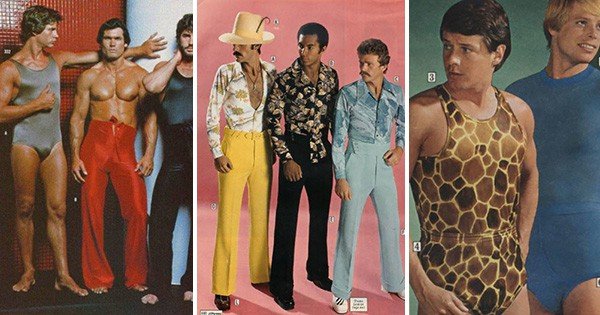
The 1970s was a decade of change, and nowhere was that more visible than in men’s fashion. Rules that once dictated how men should dress were thrown out, replaced by bold experimentation and personal expression. 70s fashion for men wasn’t about blending in—it was about standing out. From disco clubs to college campuses, style became a way to express identity, culture, and attitude.
Unlike earlier decades that favored conservative silhouettes, the 70s encouraged men to take risks. Clothes became brighter, cuts became bolder, and accessories became just as important as the outfit itself. This era laid the groundwork for modern fashion by proving that masculinity and style could coexist.
The Rise of Individual Expression
One of the defining features of 70s men’s fashion was freedom. Men were no longer confined to neutral colors or stiff tailoring. Fashion reflected the social movements of the time, including music, politics, and counterculture. Rock musicians, disco icons, and Hollywood stars all influenced what men wore on the streets.
Personal style mattered more than following trends. Whether a man leaned toward a relaxed hippie look or a polished disco outfit, confidence was the ultimate accessory.
Bell-Bottoms and Flared Silhouettes
No garment defines 70s fashion men more than bell-bottom pants. These trousers flared dramatically from the knee downward and were worn in nearly every setting—from casual daywear to formal suits. Denim bell-bottoms were especially popular, often paired with tight-fitting T-shirts or button-down shirts.
The wide-leg silhouette created balance and movement, particularly when worn with platform shoes. Corduroy and polyester versions were also common, offering texture and shine that fit the decade’s bold aesthetic.
Shirts That Made a Statement
Men’s shirts in the 1970s were anything but subtle. Patterns, colors, and dramatic cuts ruled wardrobes. Floral prints, geometric designs, and psychedelic patterns were everywhere. Even solid-colored shirts often featured rich tones like mustard, rust, teal, and burgundy.
Wide collars—sometimes extending several inches—became a signature detail. These shirts were often worn partially unbuttoned, emphasizing a relaxed and confident look. Tight fits were popular, showing off the body rather than hiding it.
Disco Glam and Nightlife Style
As disco culture exploded in the mid to late 70s, men’s fashion followed. Disco style was flashy, fitted, and designed to shine under club lights. Polyester suits in bright colors became a staple, often worn with silky shirts and bold accessories.
Three-piece suits, deep V-neck shirts, and shiny fabrics like satin and velvet dominated nightlife fashion. Unlike traditional formalwear, these outfits encouraged movement, energy, and personality.
The Influence of Denim and Casual Wear
Denim played a massive role in everyday 70s fashion. Men wore jeans constantly, pairing them with denim jackets, western shirts, or simple tees. Double-denim outfits were common and socially acceptable.
This casual approach to style reflected a more relaxed lifestyle. Clothing didn’t need to look perfect—it needed to feel authentic. Patches, embroidery, and worn textures added character and individuality.
Suits with Personality
Suits in the 1970s broke away from conservative norms. Instead of plain black or gray, men wore suits in earthy tones, plaid patterns, and bold colors. Blazers were often fitted at the waist, while trousers flared at the bottom.
Velvet and corduroy suits were especially popular for evening wear. These materials added richness and depth, making suits feel less formal and more expressive.
Footwear and Accessories
Accessories were essential in completing a 70s look. Platform shoes and boots added height and drama, while loafers and leather shoes offered a more casual option. Footwear often featured thick soles and bold designs.
Popular accessories included aviator sunglasses, wide belts, gold chains, and rings. Hats such as fedoras and newsboy caps were also worn, adding personality and flair.
Hairstyles and Grooming
Fashion in the 70s didn’t stop at clothing. Hairstyles were longer, fuller, and more natural. Men embraced afros, shag cuts, and shoulder-length hair. Facial hair—especially mustaches and sideburns—was widely accepted and encouraged.
This relaxed grooming style matched the decade’s focus on freedom and authenticity.
70s Fashion Men Today
Modern fashion continues to draw inspiration from the 1970s. Flared pants, vintage prints, and retro color palettes regularly appear in today’s collections. The difference lies in subtlety—modern interpretations are often more tailored and wearable.
By incorporating just one or two elements, such as a patterned shirt or wide-leg trousers, men can channel 70s style without looking like they’re in costume.
Final Thoughts
70s fashion men represented a turning point in style history. It was a decade where fashion became personal, expressive, and fearless. The bold choices made during this era still influence how men dress today, proving that confidence and creativity never go out of style.
Whether you admire the disco glamour, denim casualness, or rebellious rock influence, the 1970s remain one of the most iconic periods in men’s fashion history.
