


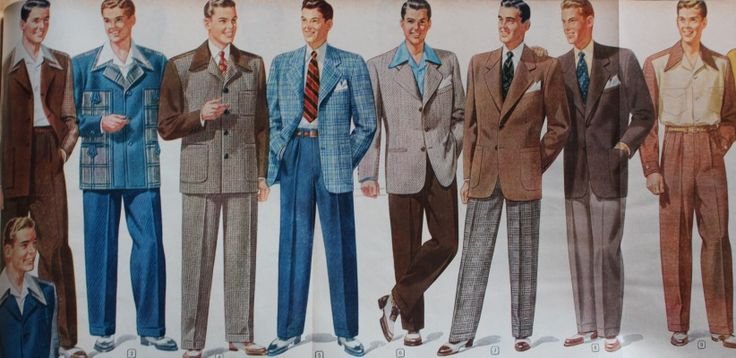
The 1920s marked one of the most influential periods in men’s fashion history. Often called the “Roaring Twenties,” this decade brought dramatic social, cultural, and economic changes that were reflected directly in clothing. 1920 suit fashion moved away from the stiff, restrictive styles of the past and introduced a look that balanced elegance, comfort, and confidence. The suits of this era not only defined a generation but also laid the foundation for modern men’s tailoring.
The Social Impact Behind 1920 Suit Fashion
After World War I, society experienced a renewed sense of optimism and freedom. Cities expanded, industries grew, and entertainment such as jazz clubs and cinema flourished. Men wanted clothing that represented success, modern thinking, and individuality. Suits became everyday wear for professionals, social events, and even casual outings. This shift helped transform the suit from formal-only attire into a daily fashion statement.
The Silhouette and Fit of 1920s Suits
One of the most defining aspects of 1920 suit fashion was the silhouette. Jackets were tailored but not overly tight, allowing ease of movement. Shoulders were structured yet natural, and jackets often ended slightly lower on the hip, creating a long, clean line.
Trousers were worn high on the waist, often reaching the navel. They featured wide legs with sharp creases, emphasizing height and posture. Cuffs at the bottom of trousers were popular and added weight for better drape. Instead of belts, men typically wore suspenders, which helped maintain the clean waistline look.
Popular Suit Styles of the 1920s
Single-Breasted Suits
Single-breasted suits were the most common and practical option. They were worn for business, travel, and everyday activities. These suits usually featured two or three buttons and narrow lapels.
Double-Breasted Suits
Double-breasted suits were associated with authority and wealth. They featured overlapping fronts and wider lapels, making them ideal for formal settings and high-status professionals.
Three-Piece Suits
The three-piece suit, consisting of a jacket, trousers, and waistcoat, was a staple of the decade. Waistcoats added sophistication and allowed men to remain well-dressed even when removing their jackets.
Fabrics and Patterns
Wool was the most widely used fabric in 1920 suit fashion due to its durability and versatility. Tweed and flannel were also common, especially for colder weather. These fabrics allowed suits to maintain structure while remaining comfortable.
Patterns became more expressive during this decade. Pinstripes symbolized professionalism and success, while checks and herringbone patterns added personality. Despite these patterns, suits remained refined rather than flashy.
Color Trends in 1920 Suit Fashion
Color choices reflected sophistication and practicality. Neutral tones dominated men’s wardrobes, including grey, navy, charcoal, and brown. Lighter shades were worn during the day, while darker tones were reserved for evenings and formal occasions. Black suits were less common for daily wear and were typically worn for very formal events.
Accessories That Defined the 1920s Look
Accessories played a crucial role in completing a 1920s suit.
Shirts were usually white or lightly striped, often paired with detachable collars. Ties were narrow and understated, featuring subtle patterns or solid colors. Hats were essential; men rarely left the house without one. Popular styles included fedoras, bowlers, and flat caps.
Shoes were polished leather Oxfords or brogues, sometimes in two-tone designs. Pocket watches, cufflinks, and tie pins added elegance and reflected attention to detail.
1920 Suit Fashion and Identity
Suits in the 1920s represented more than style—they symbolized ambition, discipline, and social status. A well-tailored suit communicated professionalism and respectability. At the same time, artists and musicians used fashion to express individuality, proving that suits could be both traditional and expressive.
The rise of ready-to-wear clothing also made stylish suits accessible to a wider population. Middle-class men could now dress fashionably without relying on expensive custom tailoring.
Influence on Modern Menswear
Many elements of 1920 suit fashion continue to influence modern menswear. High-waisted trousers, vintage-inspired lapels, and classic patterns regularly appear in contemporary designs. The emphasis on tailoring, fit, and quality materials remains central to men’s fashion today.
Modern designers often draw inspiration from the 1920s to create suits that feel timeless rather than trendy. This enduring appeal proves the lasting impact of the decade’s style.
How to Wear a 1920s-Inspired Suit Today
To incorporate 1920s elements into a modern wardrobe, focus on subtle details. Choose a tailored suit with a structured jacket and slightly higher-waisted trousers. Stick to classic colors like grey or navy and add understated patterns if desired. Accessories such as suspenders, a fedora, or leather Oxford shoes can enhance the vintage feel without appearing costume-like.
Frequently Asked Questions (FAQs)
1. What is the main characteristic of 1920 suit fashion?
The main characteristic is a balance between structure and comfort, featuring high-waisted trousers, tailored jackets, and refined accessories.
2. Were three-piece suits common in the 1920s?
Yes, three-piece suits were extremely popular and considered standard attire for both business and social occasions.
3. What fabrics were most used in 1920s suits?
Wool was the most common fabric, along with tweed and flannel for added warmth and texture.
4. Did men wear hats with suits in the 1920s?
Yes, hats were an essential part of a man’s outfit and were worn daily.
5. Are 1920s suits still fashionable today?
Yes, many aspects of 1920 suit fashion are timeless and continue to influence modern tailoring.
6. How can I modernize a 1920s suit style?
Focus on fit, keep accessories minimal, and blend vintage elements with contemporary tailoring for a balanced look.
